Twenty-one states, including Rivers and Kano, are yet to assume regulatory control of their electricity markets nearly three years after the enactment of the Electricity Act 2023. In contrast, 15 states have already transitioned to independent market oversight.
The Nigerian Electricity Regulatory Commission (NERC) disclosed that the states that have completed the transition have established their own electricity regulatory frameworks. These states are now responsible for market development, investment attraction, tariff oversight, and customer protection within their jurisdictions.
This shift follows the decentralisation provisions of the Electricity Act 2023, which empower subnational governments to regulate electricity generation, transmission, and distribution within their territories after completing the necessary legal and administrative processes.
The 15 states that have completed the transition to state-level regulation are Enugu, Ekiti, Ondo, Imo, Oyo, Edo, Kogi, Lagos, Ogun, Niger, Plateau, Abia, Nasarawa, Anambra, and Bayelsa. The earliest transitions occurred in October 2024, with Enugu and Ekiti leading the way, followed by Ondo. The pace accelerated in 2025, with Oyo, Edo, Lagos, and Ogun completing their transitions. Nasarawa, Anambra, and Bayelsa were the most recent additions between January and February 2026.
However, the remaining 21 states yet to assume regulatory control are Adamawa, Akwa Ibom, Bauchi, Benue, Borno, Cross River, Delta, Ebonyi, Gombe, Jigawa, Kaduna, Kano, Katsina, Kebbi, Kwara, Osun, Rivers, Sokoto, Taraba, Yobe, and Zamfara.
Industry analysts suggest that the slow pace of transition in some states could delay the expected benefits of decentralisation. These benefits include improved power supply, localised tariff structures, and accelerated investments in embedded generation and mini-grid projects.
Under the new framework, once a state completes its transition, its electricity regulator takes over licensing of intrastate electricity operations, enforcement of technical standards, tariff setting for local distribution, and protection of electricity consumers within the state. NERC, in turn, retains oversight only on interstate and national grid-related activities.
NERC emphasised that state regulators are expected to drive local electricity market growth by encouraging private sector participation, promoting renewable energy deployment, and ensuring service quality standards for distribution companies operating within their jurisdictions.
Power sector stakeholders argue that states yet to transition risk missing opportunities to attract investments in off-grid electrification projects, particularly in underserved rural communities. They also note that state-level regulation could help address longstanding distribution challenges by enabling more flexible tariff structures, targeted subsidies, and enforcement mechanisms tailored to local conditions.
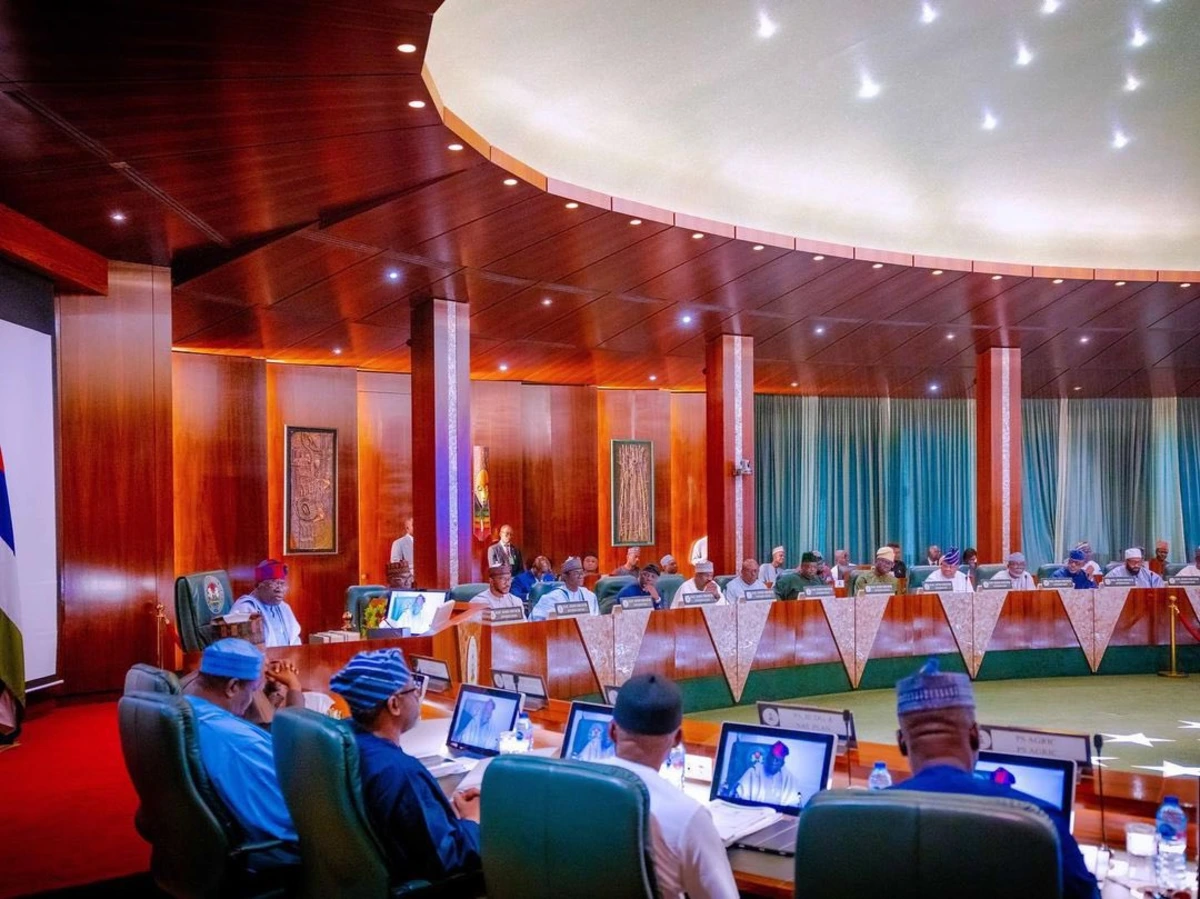
The Federal Government recently urged the 36 states and the Federal Capital Territory to take over power generation, transmission, and distribution, stating it is the only solution to the country's power crisis.
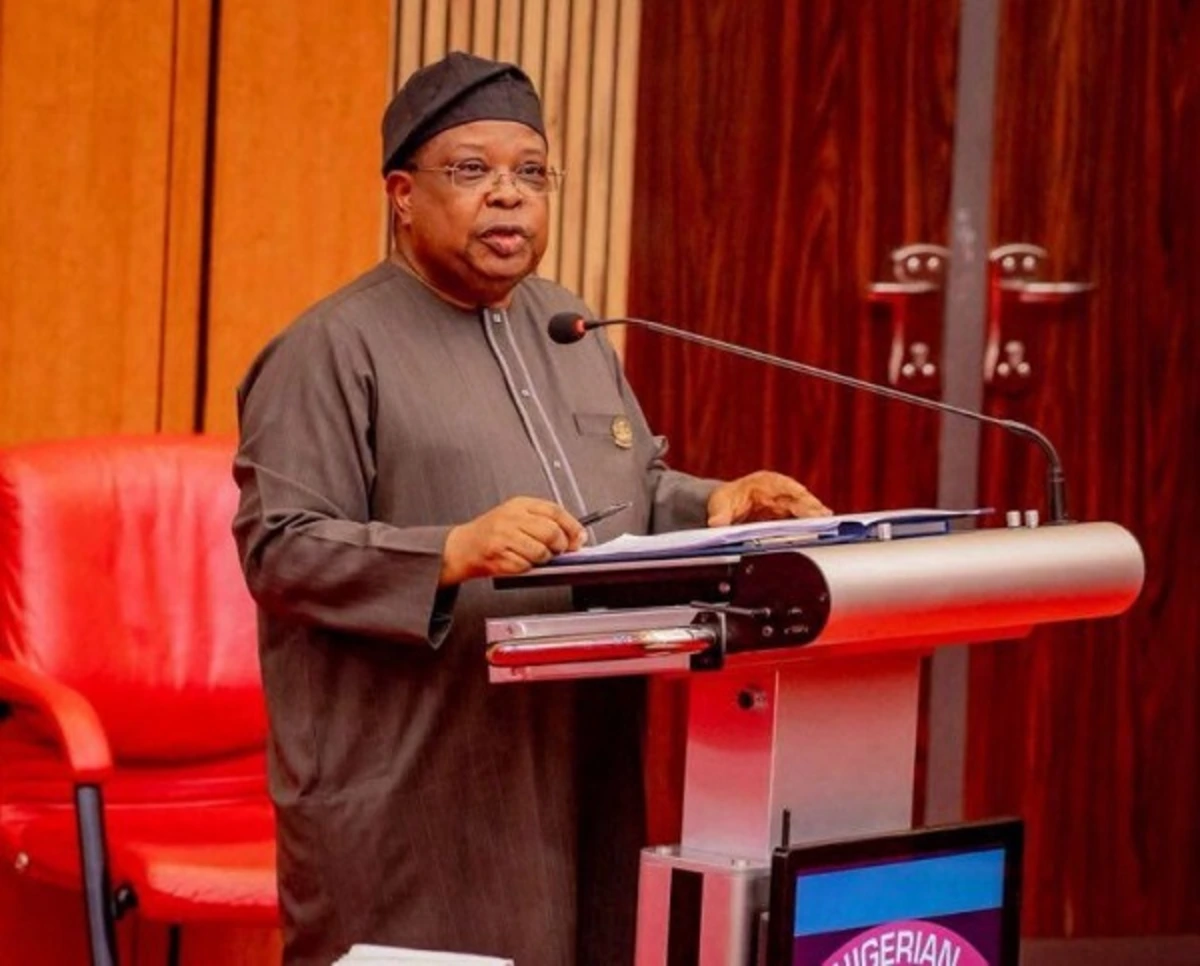
The Minister of Power, Adebayo Adelabu, highlighted that the Electricity Act's impact includes decentralisation and liberalisation. He stated that centralisation cannot work for a country as large as Nigeria, and the responsibility of providing stable electricity cannot be left solely to the Federal Government.
Adelabu called on the remaining 21 states to set up their electricity markets and operationalise the autonomy granted by the Act, with full collaboration from the national regulator. He stressed the critical role of state governments, particularly in the off-grid segment, given ongoing engagements and efforts to track distribution companies' performances.
In a related development, Nigeria’s electricity distribution companies (DisCos) remitted a total of N77.99 billion in the fourth quarter of 2025, representing 91.19% of their financial obligations to the market. This performance, according to NERC, reflects a slight decline compared to the third quarter of 2025, when N73.03 billion was remitted out of N76.77 billion, with a higher performance rate of 95.13 per cent.
Four DisCos fell below full remittance in Q4 2025: Ibadan DisCo (94.75%), Kano DisCo (79.28%), Jos DisCo (50.07%), and Kaduna DisCo (43.72%). Jos DisCo recorded the sharpest decline, dropping by 21.32 percentage points.