The West Africa Telecommunications Regulators Assembly (WATRA) is intensifying efforts to foster regulatory coordination across the subregion as the digital economy in West Africa is projected to reach $216 billion.
Aliyu Aboki, Executive Secretary of WATRA, highlighted the 4th Working Groups Meeting in Ouagadougou, Burkina Faso, as a crucial step in the organisation's development. He noted that these groups serve as a vital platform for coordination, peer learning, and policy alignment among member states.
The meeting, hosted by ARCEP Burkina Faso, convened regulators and industry stakeholders to assess progress in strengthening the region's digital regulatory framework. The region's digital economy, encompassing e-commerce, payments, and platform services, is valued at over $216 billion.
Themed “Building a Secure, Inclusive, and Resilient Digital Ecosystem for West Africa,” the gathering marked a transition from discussion to practical implementation. Aboki stated that the working groups' outputs will guide regulatory actions across WATRA's 16 member states.
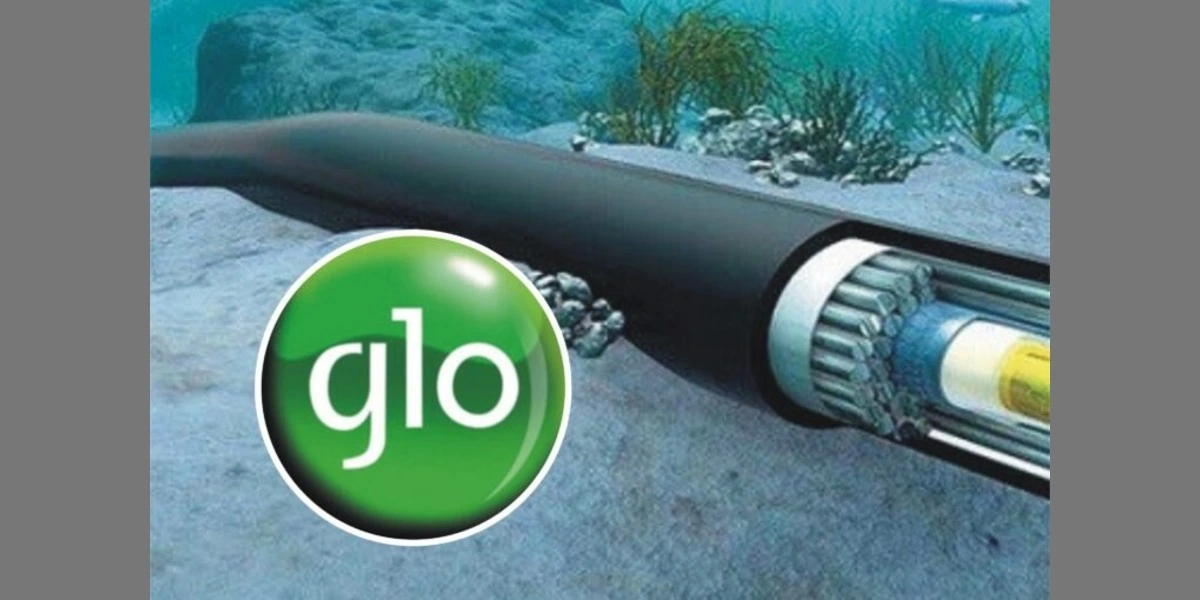
Technical reports were finalised on 5G deployment, submarine cable resilience, cybersecurity, consumer protection, and non-geostationary satellite (NGSO) regulation. These recommendations are expected to promote regional harmonisation and enhance regulatory responses to emerging technologies.
In parallel, the Federal Government of Nigeria has secured a $200 million loan from the African Development Bank Group to advance the rollout of 90,000 kilometres of open-access fibre infrastructure nationwide. This funding is part of the Digital Value Chain Infrastructure for Boosting Employment (D-VIBE) Project, also known as Project BRIDGE.
Project BRIDGE aims to significantly expand Nigeria’s fibre backbone, increasing it from approximately 30,000 kilometres to about 120,000 kilometres. The initiative is designed to connect all 774 local government areas across the country to high-speed broadband.
The total financing for the project is estimated at $2 billion. This includes a €22 million EU grant, a $2.6 million Multilateral Cooperation Center for Development Finance (MCDF) project preparation grant, and at least $1.2 billion in private sector investment, according to the AfDB.
Abdul Kamara, Director General of the African Development Bank Group Nigeria Office, commented that Nigeria possesses the talent, market, and ambition but has lacked the necessary backbone infrastructure. He stated that D-VIBE will bridge this gap, making high-speed connectivity a reality for every Nigerian community and empowering young people digitally.
Earlier in February, Nigeria’s Minister of Communications, Innovation and Digital Economy, Dr. Bosun Tijani, announced that the government had secured a $100 million investment from the European Bank for Reconstruction and Development (EBRD) for Project BRIDGE. This package also includes €18 million for digital public services and €5 million to support the 3 Million Technical Talent (3MTT) programme.