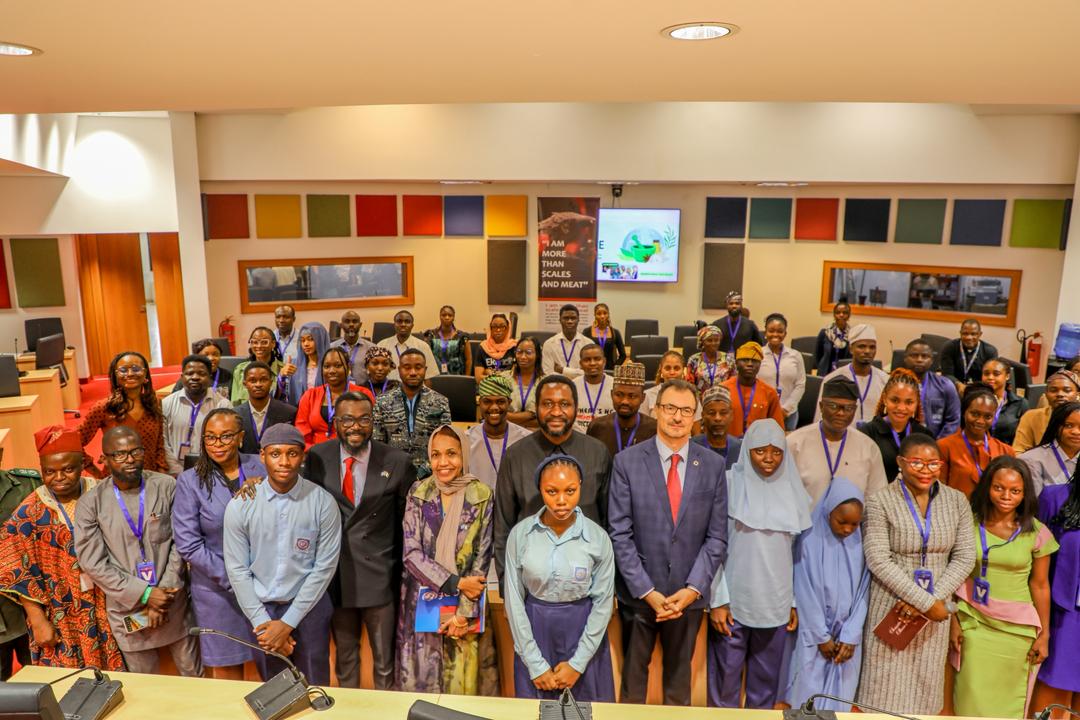
The United Nations Office on Drugs and Crime (UNODC) has called on Nigerian youths to take a leading role in protecting the country’s wildlife. The agency stressed that conservation is critical for environmental sustainability, economic stability, and national security.
UNODC made this call during an event to commemorate World Wildlife Day 2026 at the United Nations House in Abuja. World Wildlife Day, celebrated annually on March 3, was proclaimed on December 20, 2013, by the 68th session of the United Nations General Assembly. The date marks the anniversary of the signing of the Convention on International Trade in Endangered Species of Wild Fauna and Flora (CITES) in 1973.
This year's World Wildlife Day theme was “Medicinal and Aromatic Plants: Conserving Health, Heritage and Livelihoods.” To mark the occasion, UNODC convened youths from its #BeWildForNature Youth Network, alongside stakeholders from various ministries, departments, agencies, and development partners. The aim was to chart a path forward for protecting endangered species through effective policy implementation and law enforcement.
Youth-Driven Conservation Efforts
The UNODC Country Representative in Nigeria, Cheikh Toure, emphasized the growing importance of youth-led initiatives in addressing wildlife crime and environmental degradation. He stated, “Protecting wildlife is not only an environmental responsibility but also a matter of human health, cultural preservation, economic stability, and security.”
Toure commended the #BeWildForNature Youth Network for placing young people at the forefront of conservation efforts. The initiative, which began as a digital campaign in 2024, encourages young Nigerians to utilize digital innovation to strengthen conservation and raise awareness about wildlife crime. Following a competitive selection process, 10 finalists were chosen nationwide, with top performers receiving prizes and special recognition, including merit awards for female participants in observance of Women’s Month.
These finalists were integrated into the network as UNODC Young Wildlife Influencers and participated in a mentorship program from August to October 2024. The program featured sessions led by experts in conservation, advocacy, and digital engagement. According to UNODC, these participants have since implemented community-based projects and outreach initiatives, contributing to increased awareness and action on wildlife protection across Nigeria. As part of the event, students presented spoken word performances and artwork reflecting themes of wildlife conservation and environmental protection.
Threats to Medicinal Plants
Addressing the theme of the day, UNODC highlighted the vital role medicinal and aromatic plants play in traditional healthcare systems and local economies across Nigeria and Africa. However, the agency warned that these resources face increasing threats from overharvesting, habitat degradation, climate change, and illegal trade.
“These plants are not only sources of healing but also represent identity and economic survival for many communities,” the agency stated, underscoring the need for concerted conservation efforts.