Nigeria’s drive to enhance local manufacturing and foster regional economic growth has received a boost with the commissioning of Ultimum Limited’s new beverage production plant in Aba, Abia State. This development is anticipated to generate employment, strengthen supply chains, and stimulate economic activity across the South-East and South-South regions.
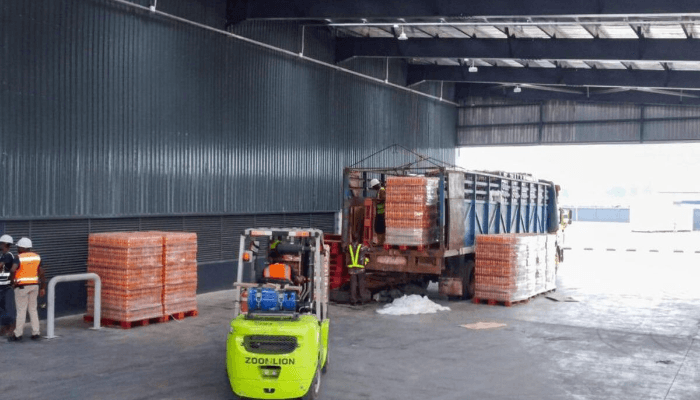
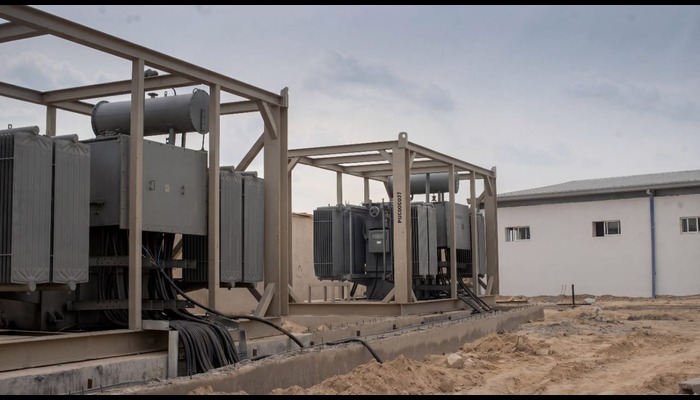
The facility, situated in the Osisioma Industrial Layout, represents a significant expansion for the food and beverage company and its parent investor group. It will increase the production capacity for Ultimum’s Razzl range of carbonated soft drinks, which includes Pamplemousse, Cola, Orange, and Lemon variants.
Beyond increasing output, the plant is positioned to be a catalyst for inclusive economic growth. Its operations are expected to have positive ripple effects across logistics, retail distribution, packaging, and local sourcing networks. Industry observers note that such investments are crucial for Nigeria as it seeks to rebuild its industrial base, reduce reliance on imports, and create jobs for its growing population.
During the commissioning ceremony, Abia State Governor Alex Otti stated that the investment signals a return of investor confidence to the state, attributing this to ongoing reforms and improvements in the business environment. He remarked, “Aba is alive again. What we are witnessing here today is not just the opening of a factory, but the return of belief in our economy.”
The plant is projected to create both direct and indirect jobs, while also supporting a network of small and medium-scale enterprises involved in providing inputs, services, and last-mile distribution. Analysts point out that manufacturing hubs like Aba have historically been vital to Nigeria’s economy, and renewed investment could help re-establish the city as a leading industrial cluster.
Whalen Kadji, chairman of Ultimum Limited, explained that the company chose Aba due to its established entrepreneurial culture and its strategic importance as a commercial centre. “We did not come here by chance. This is an investment in people, in jobs, and in the growth of local industry. We believe strongly in the future of this city and Nigeria,” Kadji said, emphasizing the company’s long-term commitment to sustainable operations in the country.
Austin Ufomba, managing director, described the plant as a key milestone in the company’s objective to produce globally competitive products within Africa and expand opportunities for local communities. “This facility is more than infrastructure. It is a platform for innovation, job creation, and excellence. It sends a strong message that Nigeria can produce at global standards,” he stated.
The commissioning occurs amidst a broader trend towards decentralised industrial growth, with subnational governments actively seeking private capital through infrastructure development and policy reforms. In Aba, improvements in road networks and a renewed focus on industrial development are beginning to attract manufacturing investments back to the city, historically known for its enterprise.
With plans for nationwide distribution, Ultimum’s entry into the beverage market is set to intensify competition within Nigeria’s fast-moving consumer goods sector, where pricing, accessibility, and local production are increasingly important differentiators. For the South-East economy, the immediate impact will be the strengthening of supply chains and the creation of new economic linkages, contributing to more balanced regional development and supporting Nigeria’s broader industrialisation goals.