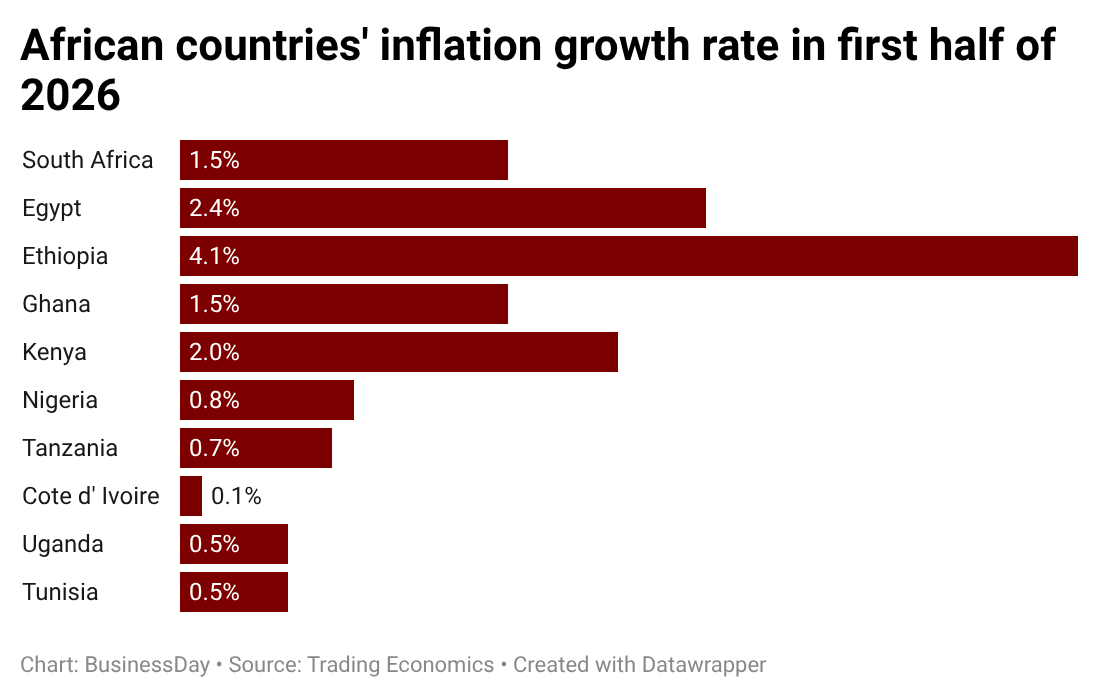
South Africa’s annual producer price inflation for final manufactured goods slowed to 2.2% in January 2026, according to data released by Statistics South Africa on Thursday. This represents a decrease from the 2.9% recorded in December 2025.
The latest figures indicate a moderation of cost pressures at the factory level, although certain key sectors still experienced significant price increases. The data also reveals varied trends across intermediate goods, utilities, and the agricultural sector, offering a comprehensive view of producer-level inflation dynamics.
The Producer Price Index (PPI) for final manufactured goods saw a monthly decline of 0.2% in January 2026. The annual PPI slowed to 2.2%, reflecting a tempered price growth compared to the previous month.
The data suggests that while consumer-related goods continued to exert upward pressure on annual inflation, falling petroleum and chemical product prices helped ease overall monthly cost pressures.
The annual PPI for intermediate manufactured goods increased to 10.5% in January 2026, climbing from 10.1% in December 2025. On a month-on-month basis, the index rose by 2.6%, indicating ongoing cost pressures within the production supply chain.
These figures illustrate that input costs, particularly in metals and utilities, remain elevated, even as final goods inflation moderates.
In contrast to the easing trend observed in manufactured goods and utilities, the annual PPI for agriculture, forestry, and fishing remained in negative territory. The index further decreased to -5.8% in January from -5.0% in December and experienced a month-on-month decline of 2.0%.
Producer price inflation measures changes in prices received by domestic producers for their output and often serves as a leading indicator of consumer inflation, suggesting that rising factory gate prices may eventually be passed on to consumers. Nigeria also recorded a marginal decline in inflation during the same period.