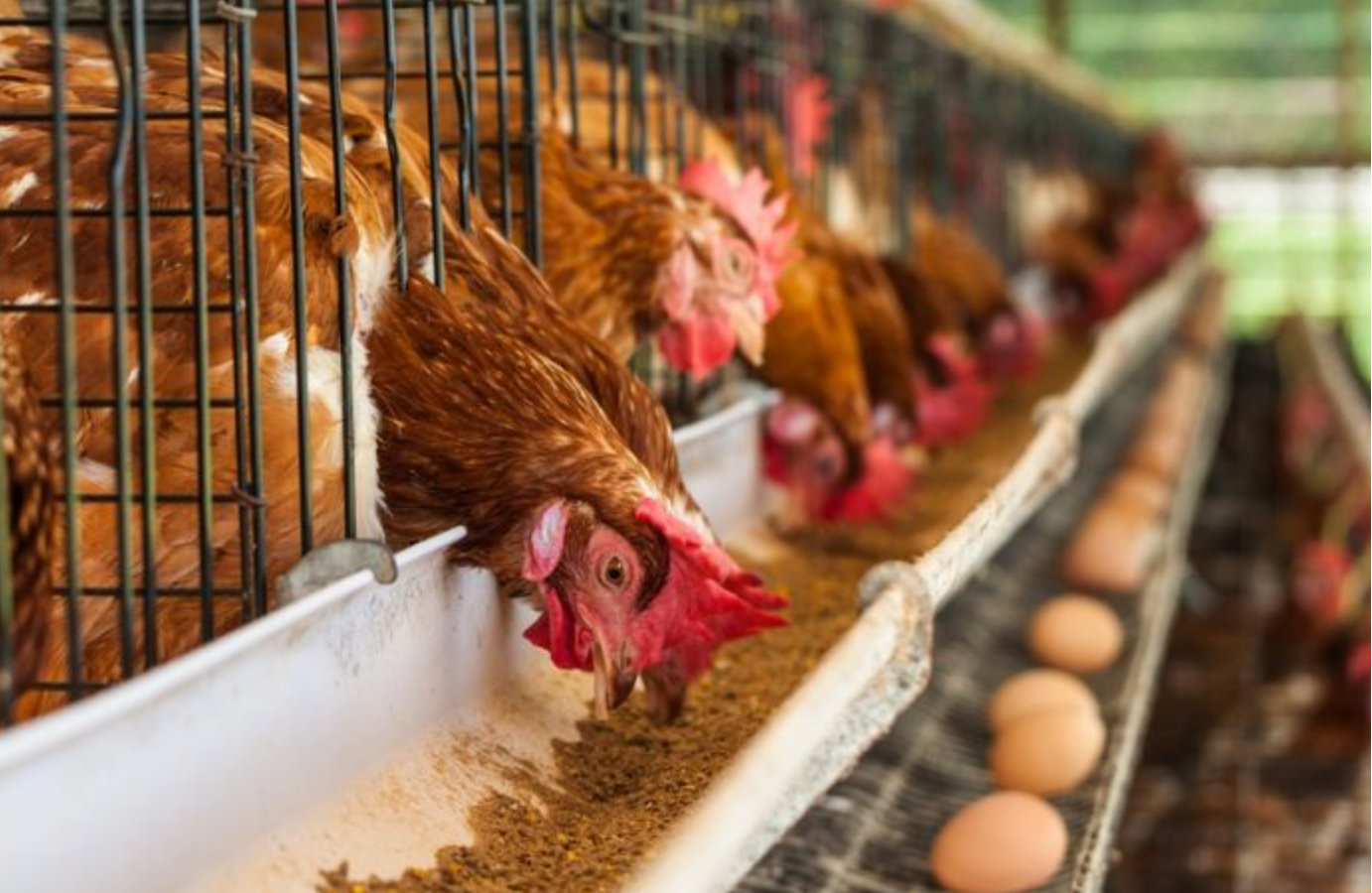
Poultry farmers in Nigeria have voiced strong opposition to the proposed $900 million poultry investment deal between the Federal Government and China. They caution that the partnership, if not managed effectively, could significantly undermine the domestic poultry industry.
These concerns were articulated by the Poultry Association of Nigeria (PAN) in recent interviews. Key stakeholders within the association have expressed reservations about the planned collaboration.
The pushback comes as reports indicate the Federal Government is projecting a $900 million investment agreement with China. The goal of this agreement is to establish a large-scale poultry project capable of producing up to six million eggs daily, aiming to address Nigeria’s protein deficit and enhance food security.
Local Industry Concerns
The core message from PAN is that while investment in the poultry sector is necessary, the priority should be on bolstering local production capabilities. They argue against introducing large-scale foreign competition that could displace domestic producers.
Foluso Adams, Lagos PAN Vice President and Chairman of Aiyedoto Poultry Farmers Settlement, warned that the deal could weaken domestic producers. He urged the government to focus on empowering local farmers to scale their operations and achieve regional competitiveness.
Adams stated, “It will be better for the government to develop local poultry production to enable farmers to stay employed. Empowering our local poultry industry will give us the export opportunity for other neighbouring West African countries or even Africa at large to depend on our production.”
Similarly, Godwin Egbebe, PAN National Publicity Secretary, cautioned that the partnership might have unintended negative consequences for both the industry and consumers.
Egbebe said, “The proposed $900 million poultry sector investment partnership by the Federal Government and China is going to impact negatively on the local poultry industry. Before the government goes into this poultry partnership with China, they should also consider the health and safety of Nigerians.”
He further noted that the primary challenge facing the sector is not production capacity but weak consumer purchasing power.
Sector Challenges and Broader Collaborations
Nigeria’s poultry sector has been grappling with significant challenges in recent years. These include escalating feed costs, high inflation, and a decline in consumer demand.
In February 2024, reports indicated that poultry farmers incurred losses exceeding N3 trillion in 2023 due to worsening economic conditions. The Poultry Association of Nigeria also disclosed that over 50% of its farms ceased operations within the same period, underscoring the severity of the crisis.
Egg prices, which currently average between N250 and N300 per unit, have become increasingly unaffordable for many households. This situation further weakens demand, despite the potential for increased supply.
The proposed Nigeria–China poultry deal is occurring within a context of broader industrial collaborations between Nigeria and Chinese firms. Recently, the Dangote Group entered into a strategic cooperation agreement with XCMG Construction Machinery Co. Ltd. This partnership aims to boost infrastructure delivery, industrial capacity, and green development projects across Africa, signaling a growing trend towards deeper economic ties with China.