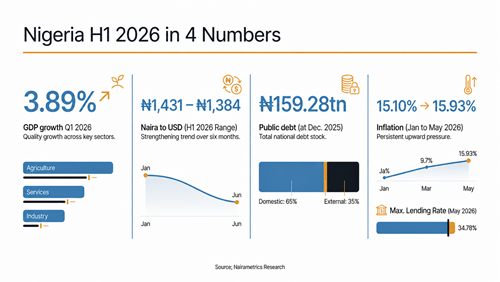
As Nigeria enters 2026, the trajectory of its economy hinges on several key factors, most notably the direction of inflation, the stability of the foreign exchange (FX) market, potential shifts in tax policies, and the overall performance of the stock market.
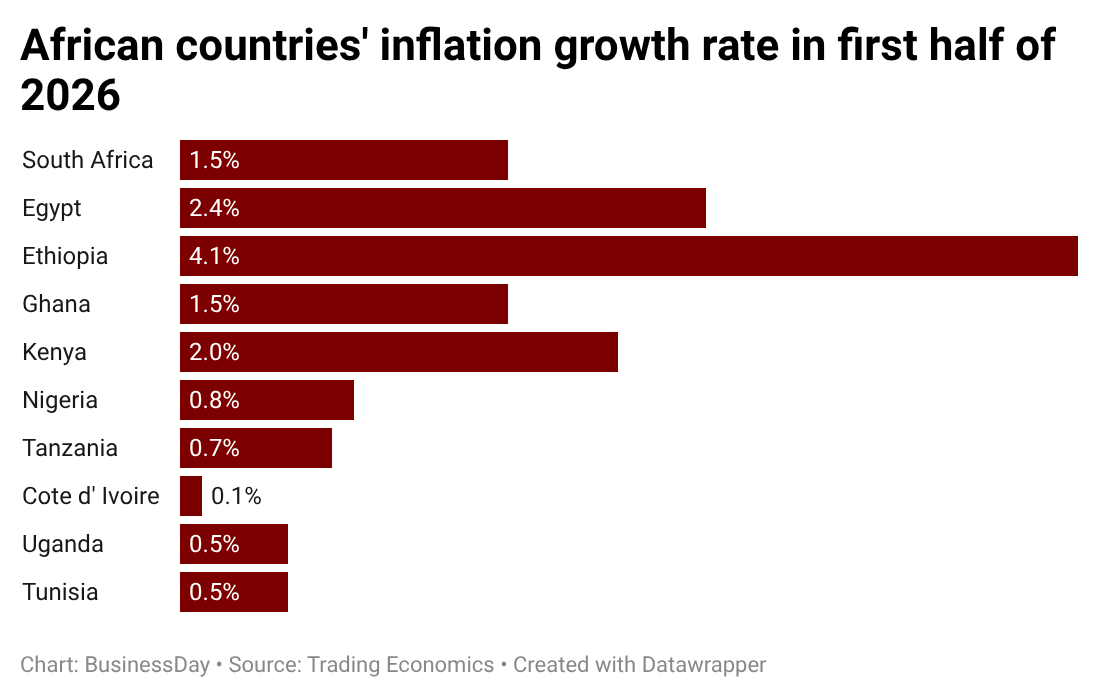
A central question revolves around whether the country will finally see a sustained slowdown in the rate of inflation. Persistent inflationary pressures have been a major challenge in recent years, impacting consumer spending and business investment. Analysts are closely monitoring the effectiveness of monetary policies aimed at curbing inflation.
Another critical area of focus is the foreign exchange market. The exchange rate between the Naira and other major currencies, particularly the US dollar, plays a vital role in international trade and investment. The stability of the FX market is crucial for businesses that rely on imports and exports, as well as for attracting foreign capital.
Tax policies also have a significant influence on the economy. Potential changes to tax laws could affect corporate profitability, consumer behavior, and government revenue. Market participants are keen to understand how any new tax measures might impact different sectors of the economy.
The stock market's performance is intrinsically linked to the overall health of the Nigerian economy. Positive economic indicators, such as declining inflation and a stable FX market, typically boost investor confidence and drive stock prices higher. Conversely, economic headwinds can lead to market volatility and lower valuations. Market watchers are cautiously optimistic, hoping for policies that foster sustainable growth and stability in the year ahead.