The Federal Government is considering debt waivers and tax relief measures to prevent a shutdown of domestic airline operations in Nigeria following a sharp rise in Jet A1 aviation fuel prices. This move comes amid rising concerns over the sustainability of local airline operations, as fuel prices have surged in recent weeks.
The Minister of Aviation and Aerospace Development, Festus Keyamo, disclosed this after a high-level meeting in Abuja on Wednesday evening. The Airline Operators of Nigeria had initially planned to suspend flight operations on April 20, 2026, but the planned shutdown was later called off after government engagement, including commitments to urgent negotiations to address the crisis.
Jet A1 prices, a major driver of airline costs in Nigeria, reportedly rose from about N900 per litre in February to over N3,000 per litre as of April. This surge is attributed to global supply disruptions linked to geopolitical tensions in the Middle East.
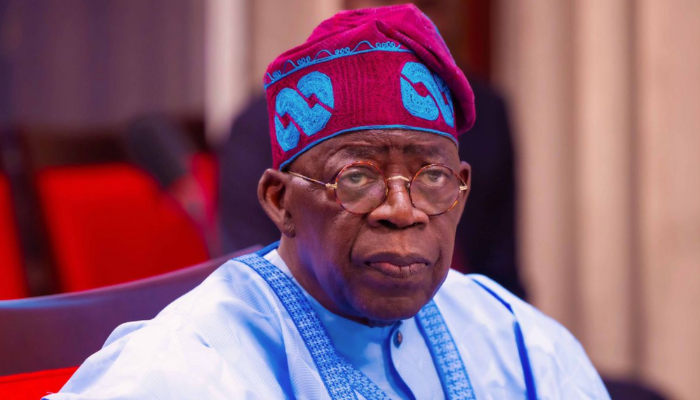
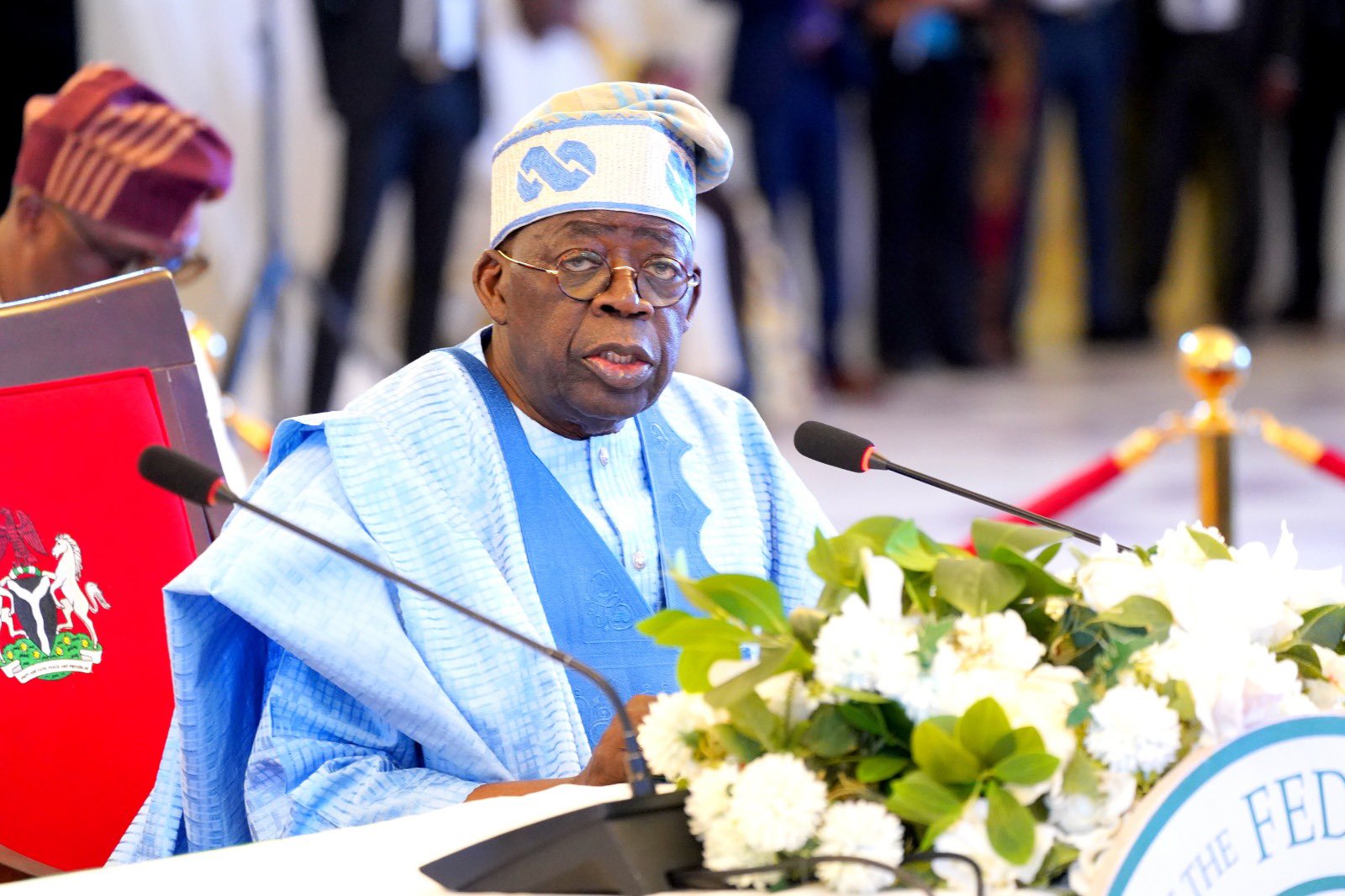
Speaking after the meeting, Keyamo said President Bola Tinubu had been briefed and directed immediate consideration of relief measures. He stated that the first proposal is a “generous discount” on debts owed by airlines to aviation agencies, including the Nigerian Airspace Management Agency (NAMA), Federal Airports Authority of Nigeria (FAAN), and the Nigerian Civil Aviation Authority (NCAA). The final decision on the percentage of discounts will be made by the President.
“The second request Mr President has asked that we should bring for him to consider fully and grant is that he wants to set up a committee to address the issues of levies, taxes, and fees on domestic tickets once and for all,” Keyamo added. This request has been a long-standing one, and the President intends to form a team with a deadline to report on government fees and charges that can be removed to provide respite to Nigerians.
The Minister also noted that the President commended airlines for maintaining fares despite rising costs and acknowledged that government intervention is necessary to support the sector. The President will also consider a date for airline operators to meet him one-on-one for discussions regarding access to capital.
Chairman/Chief Executive Officer of Air Peace, Allen Onyema, attributed the crisis to the sharp increase in Jet A1 prices, which he stated was disproportionate to the rise in global crude oil costs. He noted that after the Hormuz blockade, Nigeria saw a Jet A1 price increase of about 300 per cent, causing airlines to bleed financially.
Onyema highlighted that airlines threatened to shut down not out of desire but due to the inability to continue operations while neglecting other essential aspects of the aviation industry, prioritizing safety. He expressed appreciation for the government's responsiveness, noting that the President had previously removed the four per cent FOB for airlines within 24 hours.
The Air Peace boss also raised concerns about the cost of funding for airlines in Nigeria, stating that while global rates are around three per cent, Nigerian airlines acquire funding at 30 to 35 per cent, which is detrimental to their operations. He urged the President to fund the Bank of Industry.
The Airline Operators of Nigeria had warned that if urgent intervention was not made, they would be forced to suspend flights, as revenues could no longer cover fuel costs alone. The operators stated that the price of aviation fuel surged from about N900 per litre in late February to over N3,300 per litre within weeks, representing an increase of more than 300 per cent.