The Federal Government has reiterated its dedication to the ambitious 1,028-kilometre Lagos–Abidjan Corridor project. However, Nigeria has raised significant concerns regarding the project's design standards, funding structure, and the equitable distribution of the highway across the participating West African nations.
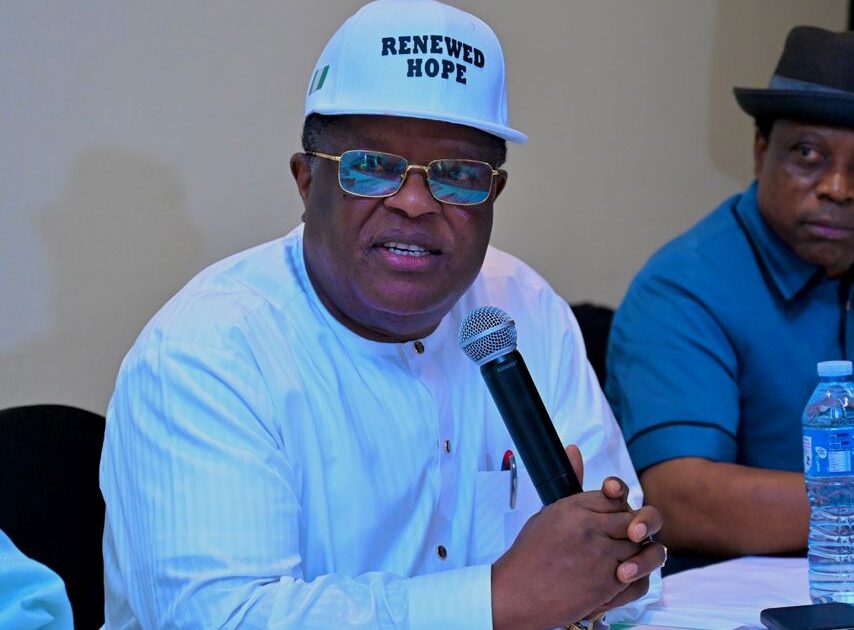
Minister of Works, David Umahi, communicated this stance during a high-level meeting in Abuja with delegations from the ECOWAS Commission and the African Development Bank. He emphasized that while Nigeria remains fully committed, these critical issues must be addressed and resolved at the level of Heads of State before the project can progress.
The Lagos–Abidjan highway is a flagship regional infrastructure initiative designed to link five countries: Côte d’Ivoire, Ghana, Togo, Benin, and Nigeria, connecting key economic centres along the West African coast. Minister Umahi conveyed President Bola Tinubu's full backing for the project, highlighting infrastructure development as a cornerstone of the administration's economic agenda.
Despite the commitment, Umahi candidly outlined unresolved technical and political challenges. He stated that the distribution of the corridor's length among the participating countries is unequal, a matter that requires resolution by Heads of State. Nigeria's segment of the corridor is approximately 79.5 kilometres.
Umahi stressed that Nigeria's portion will be constructed to a significantly higher standard than initially proposed under the ECOWAS framework. He revealed plans to use reinforced concrete and implement three lanes on each carriageway, diverging from the two-lane ECOWAS design. Aspects of the ECOWAS design were rejected due to a lack of consultation and impractical elements.
Nigeria is currently developing its own design blueprint, tailored to local realities and expected to be completed within weeks. This design will account for existing infrastructure, obstacles, and practical implementation considerations. Umahi also highlighted that agreeing on a funding model remains a major hurdle, cautioning against premature movement into procurement without political consensus.
“Once the design is finalised and approved by member states, the funding model must be agreed by Heads of State. Until that is resolved, moving into procurement and financing is premature. That is my position,” he stated.
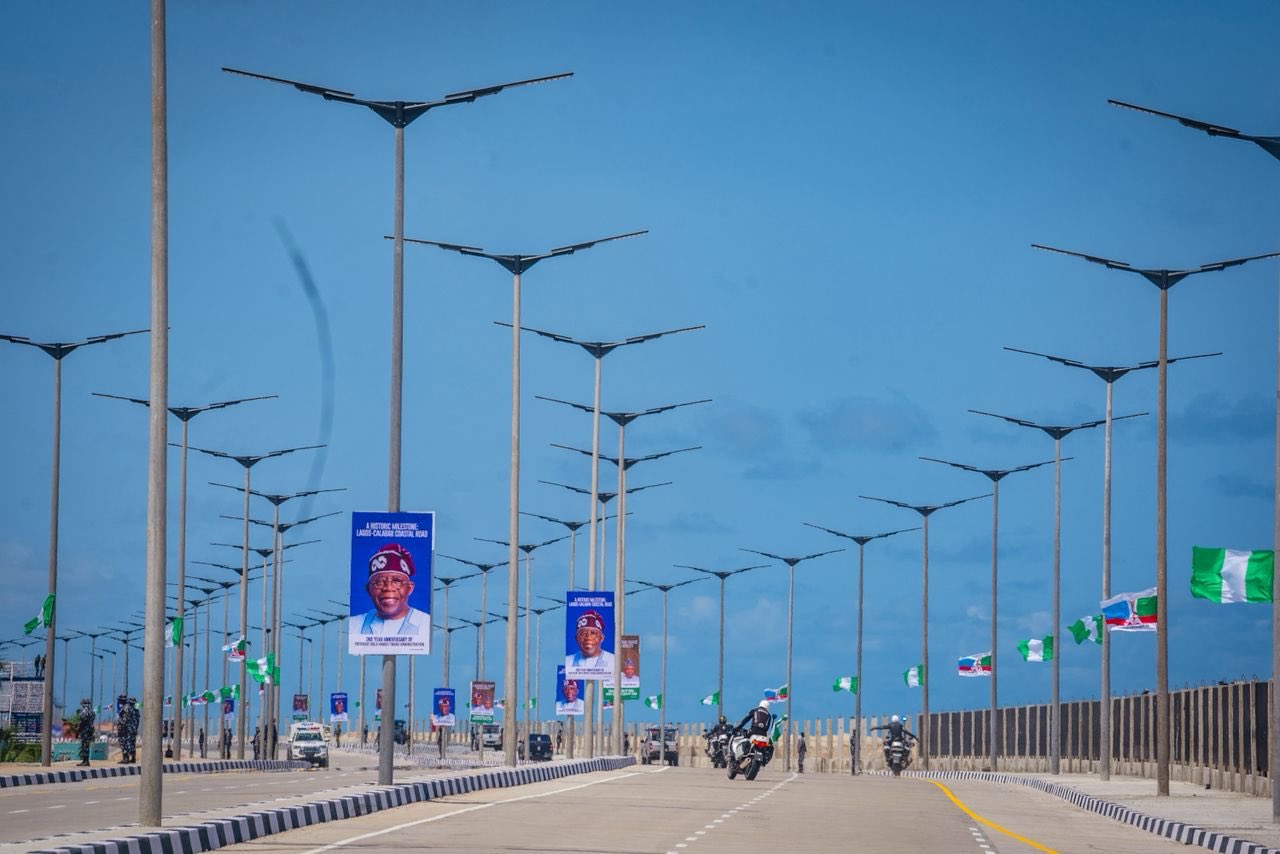
The Minister reaffirmed Nigeria’s commitment, recognizing the project's importance for regional trade and economic integration. He noted that the corridor would integrate with ongoing Nigerian infrastructure projects, such as the Sokoto–Badagry Superhighway and the Lagos–Calabar Coastal Highway.
Updates on the Lagos–Calabar Coastal Highway indicate steady progress. Section one in Lagos, spanning 47.47 kilometres, is completed and slated for commissioning in May. Section two, covering 55 kilometres to the Ogun boundary, is expected to be finished by December. Construction is also advancing in Akwa Ibom and Cross River states.
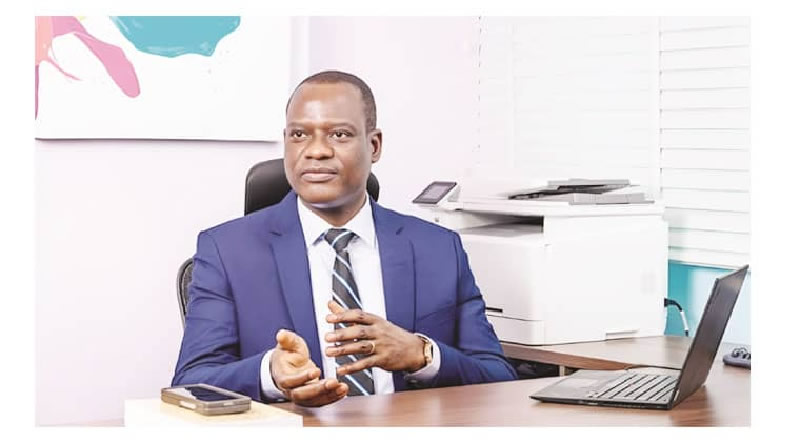
ECOWAS Director of Transport, Chris Appiah, confirmed that the delegation's visit was part of ongoing consultations to harmonize technical inputs and address outstanding issues. He mentioned that consultations had occurred with Nigeria's project focal team and technical consultants, and similar engagements were held with Côte d’Ivoire, Ghana, and Togo, with Benin to follow.
Salawou Mike Moukaila from the African Development Bank described the corridor as a top priority, with strong interest from global financiers. The bank is actively working on a financing framework and is mobilizing financing, noting that Nigeria's section is critical due to the significant portion of trade originating from the country along this corridor.
The Lagos–Abidjan Corridor is one of West Africa's most significant cross-border infrastructure projects, intended to boost trade, reduce transport costs, and enhance connectivity among coastal economies. It forms part of the broader ECOWAS regional transport network.