Key Highlights
- Dangote Petroleum Refinery is expanding into a fully integrated industrial hub.
- A 400,000-tonne Linear Alkaline Benzene (LAB) plant will be constructed to support detergent manufacturing.
- Africa currently imports 100 percent of its detergent and cleaning agent ingredients.
- The refinery aims to compete in the West African market based on import parity pricing.
- Five major projects are underway to transform the refinery into a world-class industrial refining and trading hub.
Dangote Petroleum Refinery has announced ambitious plans to expand its operations beyond crude processing, aiming to become a fully integrated industrial hub and transform Africa’s manufacturing landscape. As part of this expansion, the refinery will construct a 400,000-tonne Linear Alkaline Benzene (LAB) plant to support detergent manufacturing across the continent.
During a tour of the refinery, Managing Director/Chief Executive, David Bird, highlighted Africa’s current dependency on imports. “Africa imports 100 percent of its detergent and cleaning agent ingredients, it is called surfactant, that’s what makes the bubbles in detergent, that’s called LAB – linear alkaline benzene,” he stated. The new LAB plant aims to address this dependency and ensure the region no longer relies on importing cleaning agents.
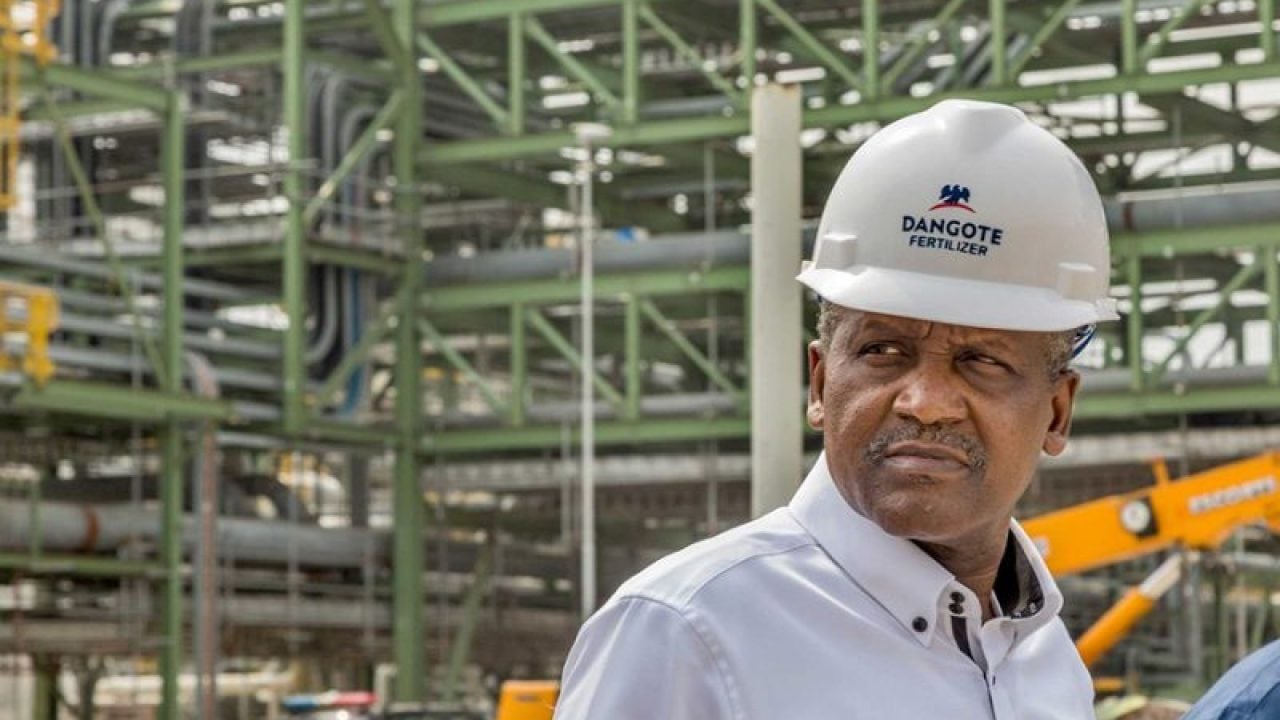
Bird further explained that “Five major projects are already underway, which is a very ambitious growth agenda, and turning this not into just a refinery, but fully world-class industrial refining and trading hub that I think will be transformational for not only the region and the continent but Atlantic hemisphere.”
The project is expected to drastically reduce import dependence.
Dangote Refinery intends to compete in the West African market on the basis of import parity pricing. Bird also called for strong regulation to ensure product quality and protect consumers, emphasizing that “With local refining, we can eliminate that inefficiency by processing crude at our doorstep and delivering products directly to our immediate market. That alone is import parity pricing”.