Nigeria’s foreign reserves have seen a substantial enhancement with the Central Bank of Nigeria (CBN) announcing that its gold holdings have reached a value of approximately $3.5 billion. This significant development comes as the CBN takes delivery of responsibly sourced gold, refined to meet stringent international standards.
The gold acquired was aggregated within Nigeria through the efforts of the Solid Minerals Development Fund (SMDF), operating under the National Gold Purchase Programme. This initiative engages local miners and adheres to responsible sourcing guidelines that are consistent with international standards set by the Organisation for Economic Co-operation and Development (OECD) and the World Gold Council.
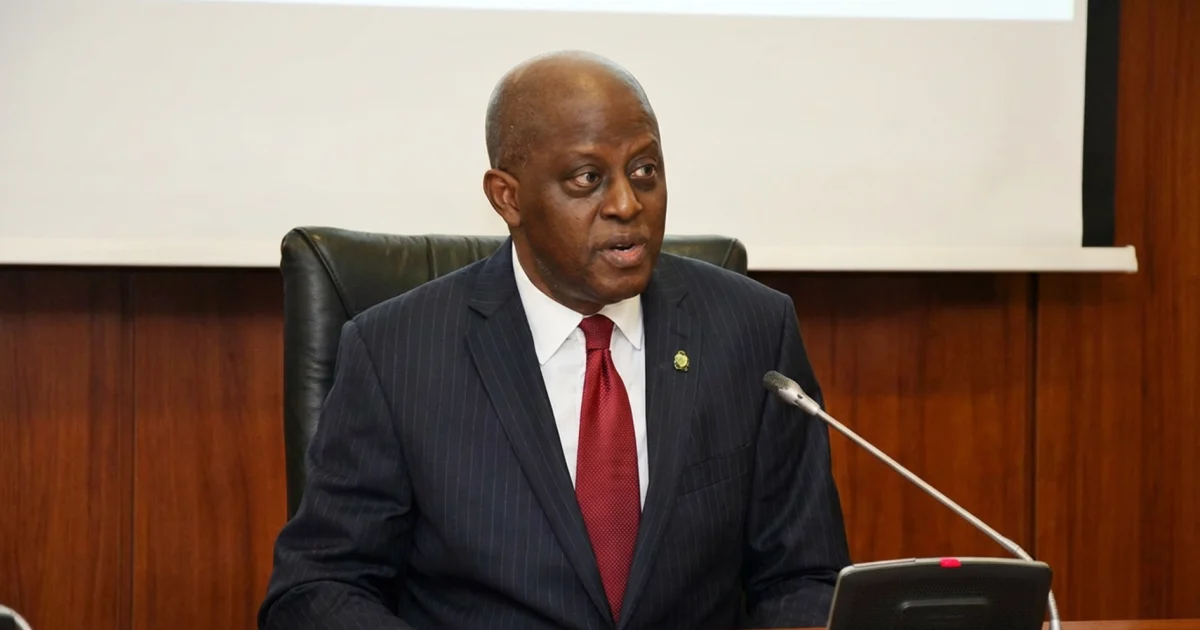
During a one-day workshop focused on maximizing the economic benefits of Nigeria's minerals, CBN Governor, Olayemi Cardoso, highlighted the strategic nature of this acquisition. The apex bank purchased the monetary-grade gold using naira, with prices pegged to international benchmarks established by the London Bullion Market Association (LBMA). This approach is specifically designed to strengthen Nigeria's gold reserves without depleting its foreign currency holdings.
“The Central Bank acquired the monetary-grade gold in naira at pricing linked to LBMA benchmarks, a structure designed to preserve Nigeria’s foreign exchange holdings while strengthening the nation’s gold reserves,” stated Governor Cardoso. He further explained that by acquiring domestically refined gold without expending foreign currency, the transaction effectively enhances reserve accretion and contributes to broader macroeconomic stability objectives.
Cardoso also touched upon the evolving landscape of global reserve management, noting that central banks worldwide are recalibrating their strategies in response to prevailing economic uncertainties and geopolitical tensions. Gold, he remarked, has re-emerged as a crucial asset for central banks due to its capacity to preserve value during periods of inflation and market volatility.
“Central banks around the world are prioritizing economic resilience amid persistent geopolitical and market uncertainties. Gold has regained importance as a hedge against inflation and volatility,” Governor Cardoso observed. He further noted the growing significance of other critical minerals, which play vital roles in global supply chains and industrial development.
The CBN governor emphasized that Nigeria's mineral resources hold considerable potential for driving economic growth, provided they are managed with robust governance and long-term planning. He underscored the importance for institutions within the mineral sector to adhere to internationally recognized standards to foster credibility and attract investment.
The workshop, organized by the CBN's Corporate Secretariat and Reserve Management departments, served as a platform for engagement with stakeholders in the gold sector, fostering a deeper understanding of the opportunities and challenges across the value chain. Fatima Umaru Shinkafi, Executive Secretary of the Solid Minerals Development Fund, confirmed that the successful delivery of gold refined to LBMA standards validates Nigeria's gold supply chain's ability to meet international requirements when effectively organized. She added that this achievement underscores the robustness of the fund’s formalization framework and its due diligence processes for responsible sourcing.
Kurtulus Taskale Diamondopoulos, Director of Central Banks and Public Policy at the World Gold Council, commended both the CBN and the SMDF for developing the National Gold Purchase Programme in line with internationally recognized principles for responsible gold sourcing. She suggested that the established arrangement, where the CBN acts as the sole buyer and the SMDF manages the supply chain, offers a valuable model for other nations aiming to strengthen their gold sectors.
Samaila Zubairu, President and Chief Executive Officer of the Africa Finance Corporation (AFC), reiterated the corporation's commitment to supporting Nigeria's mineral sector development. He highlighted the need for accurate data and improved mineral processing infrastructure to attract investment, enhance gold recovery, and mitigate environmental impact, which in turn would bolster the central bank's capacity to build stronger gold reserves through domestic purchases.
Nere Emiko, Executive Vice Chairman of Kian Smith Gold Company, suggested that Nigeria needs to build strategic gold reserves and leverage commodity exchanges more effectively to maximize the economic value of its mineral resources. She pointed out that Nigeria's current gold reserve levels are relatively low compared to some other countries and called for increased investment in mineral exploration and greater transparency within the sector.
The Domestic Gold Purchase Programme is an integral part of the CBN's broader strategy to enhance the quality of Nigeria's reserves, reduce external vulnerabilities, and position the country's mineral resources as a cornerstone of long-term economic stability.