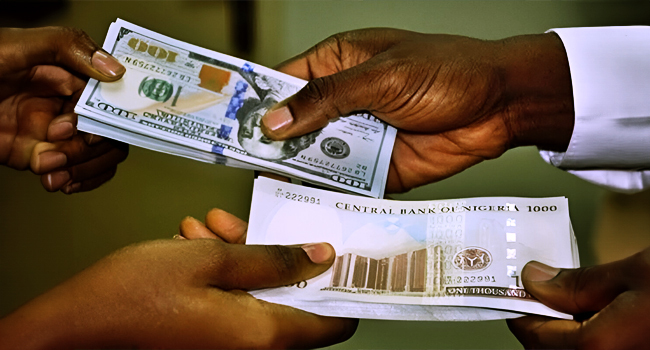
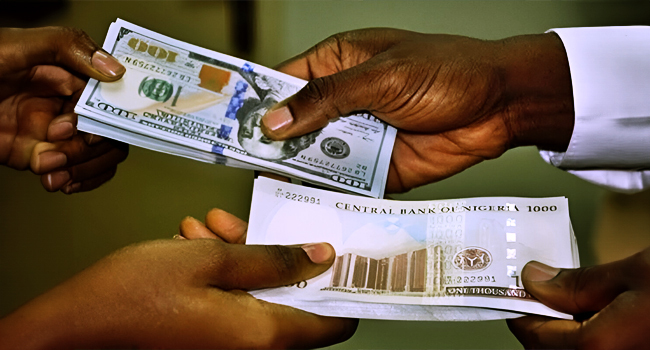
Africa central bank reserves surged to $530 billion in 2025, a significant increase attributed primarily to a historic rally in gold prices and expanded accumulation of the precious metal.
The Africa Finance Corporation (AFC) disclosed this in its latest “State of Africa ’s Infrastructure Report”, highlighting a continent-wide shift in reserve management strategies amidst global economic uncertainty.
The report indicates that rising commodity prices and strategic policy adjustments have reshaped Africa ’s external asset position, with gold now representing approximately 17% of total reserves, a notable increase from less than 10% in 2022-2023.
Physical gold holdings across the continent have also seen a substantial rise, climbing from 663 tonnes in 2022 to an estimated 738 tonnes in 2025. Countries such as Egypt, Ghana, Tanzania, and Zimbabwe have been at the forefront of active gold accumulation programs.
This growing preference for gold is seen as a strategic move by African central banks to hedge against currency volatility and inflationary pressures, signaling a reduced reliance on traditional reserve currencies in the face of global economic shocks.
The AFC report further suggests that these increased gold holdings are part of a broader effort to strengthen external buffers against market instability and recalibrate reserve management practices across the continent.
In Nigeria, external reserves concluded 2025 at approximately $45.5 billion, an increase from $40.8 billion at the beginning of the year, according to data from the Central Bank of Nigeria.
The Central Bank of Nigeria has projected that reserves could potentially reach $51.04 billion in 2026, supported by anticipated oil revenues, bond issuances, and diaspora remittances.
Despite a recent dip to $48.6 billion as of April 16, 2026, reflecting a cumulative decline of about $1.38 billion over five weeks, Nigeria ’s net foreign exchange reserves rose to $34.80 billion by the end of 2025, indicating an improvement in underlying external liquidity.