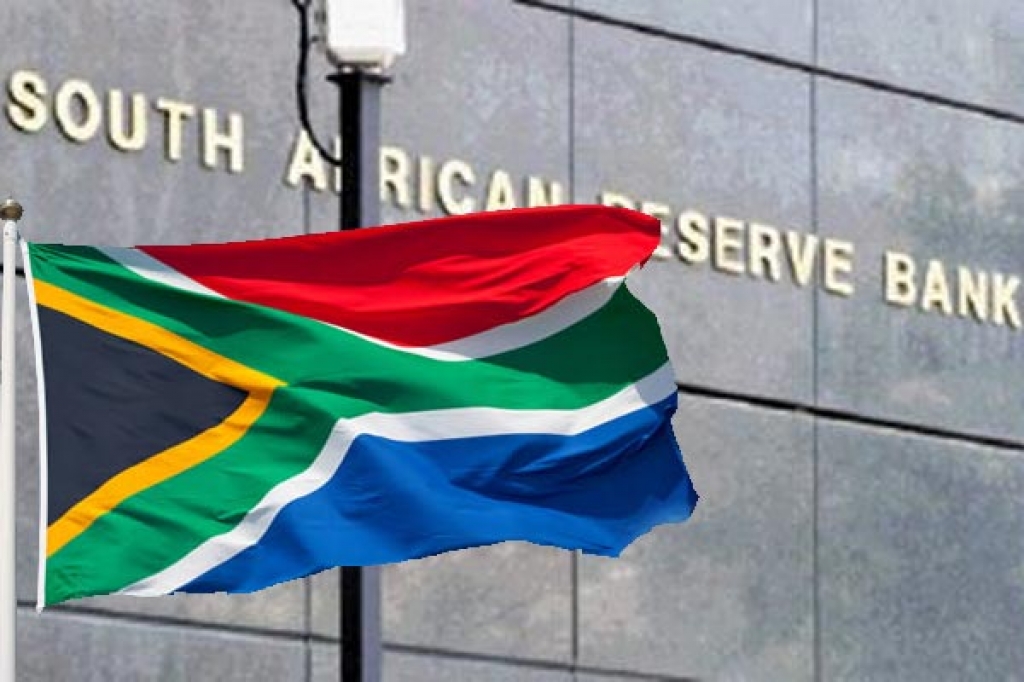
Key Highlights
- South Africa's annual consumer inflation fell to 3% in February 2026.
- This marks a decrease from 3.5% recorded in January 2026.
- The February inflation rate aligns with the South African Reserve Bank's (SARB) target of 3%.
- Month-on-month consumer prices rose by 0.4% in February.
- Analysts caution that global factors like oil prices and currency could reignite inflation.
South Africa’s annual consumer inflation eased to 3% in February 2026, aligning with the central bank’s target and marking a decline from the 3.5% recorded in January.
The latest data released on Wednesday by Statistics South Africa (Stats SA) showed that consumer prices rose by 0.4% month-on-month in February, signaling continued moderation in price pressures across key sectors of the economy.
The development brings inflation back to the South African Reserve Bank’s (SARB) target level, offering relief to policymakers and consumers while raising fresh questions about the outlook amid global uncertainties.
What the data is saying
The February inflation data highlights a broad-based easing in price pressures, driven largely by moderation in goods and services inflation. Stats SA noted that key sectors such as housing, food, and financial services remained the primary contributors to overall inflation.
- Housing and utilities increased by 4.8%, contributing 1.1 percentage points to the headline inflation rate.
- Food and non-alcoholic beverages rose by 3.7%, adding 0.7 of a percentage point.
- Insurance and financial services climbed by 4.7%, contributing 0.5 of a percentage point.
- Inflation for goods slowed to 1.9% in February from 2.7% in January, while services inflation moderated to 3.8% from 4.2%.
The latest reading places inflation exactly at the SARB’s 3% target, the first time since June 2025 that the benchmark has been achieved.
Analysts have cautioned that despite the encouraging data, inflationary pressures could resurface due to external shocks, particularly from global energy markets and currency movements. The February figures, they note, may not yet reflect recent geopolitical developments.
- “This data largely predates the war on Iran, though, as well as the resulting spike in oil prices and the weakening of the rand exchange rate, both of which will be … inflationary,” said Elna Moolman, Head of South Africa Macroeconomic Research at Standard Bank, quoted by Reuters.
These risks suggest that inflation could trend higher in the coming months, depending on how global oil prices and exchange rates evolve.
More Insights
The easing of inflation had initially strengthened expectations that the South African Reserve Bank might begin loosening monetary policy at its March 26 meeting.
However, shifting global conditions have prompted a reassessment among economists.
- Economists, according to Reuters, had earlier projected a possible rate cut in March due to declining inflation.
- Escalating geopolitical tensions and rising oil prices have introduced new inflation risks.
- Currency pressures, particularly a weaker rand, could further increase import costs.
As a result, expectations have shifted toward the central bank maintaining its benchmark interest rate in the near term.
What you should know
Inflation trends across Africa’s largest economies continue to diverge, reflecting different macroeconomic conditions and policy challenges. While South Africa has returned to target-level inflation, other countries are still battling elevated price levels.
Nigeria’s headline inflation stood at 15.06% in February 2026, slightly down from 15.10% in January.


