Nigeria has secured the sixth position globally in terms of developer share on the Solana blockchain, with its burgeoning Web3 ecosystem successfully channeling more than $162,000 into the local economy during the first quarter of 2026. This data comes from the Q1 Impact Report published by SuperteamNG, underscoring Nigeria's increasing significance in decentralized technology development and capital formation.
The report indicates that Nigerian developers now represent 67 percent of all active Solana developers across the African continent, solidifying Nigeria's status as a leading hub for Web3 innovation.
Beyond developer engagement, the report highlights a growing commercial adoption of blockchain-based products. Nigerian-developed platforms such as Evolution processed over $4 million in total value, while NectarFi recorded more than $6 million in transaction volume during its beta phase. These figures demonstrate the increasing real-world utility of decentralized applications originating from Nigeria.
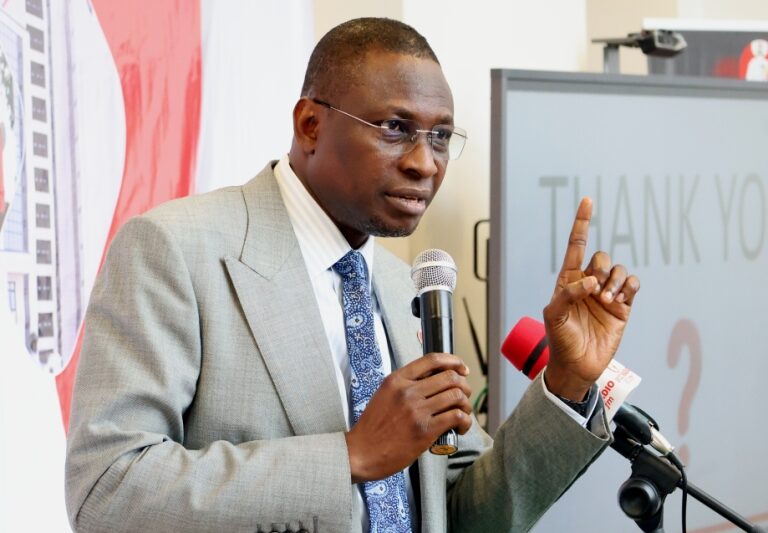
Harrison Obiefule, lead at SuperteamNG, stated that this data reflects a fundamental shift in Nigeria's role within the global technology sector. "Nigeria is no longer just a consumer of global technology; we are now a growing factory for it," he remarked. "Ranking first in Africa and sixth globally by Solana developer share demonstrates that blockchain infrastructure is becoming embedded in financial services and cross-border trade."
The report also points to a growing integration between blockchain infrastructure and Nigeria's fintech sector. During the quarter, at least 15 local platforms, including Busha, Raenest, and Jeroid, introduced features based on the Solana blockchain. These enhancements include stablecoin settlement capabilities and lending products collateralized by digital assets.
SuperteamNG expanded its operations to 30 states and organized 186 events, both physical and virtual, to foster engagement and knowledge transfer between traditional finance and decentralized finance ecosystems. Furthermore, the report identifies a strengthening talent pipeline, supported by a 16-week developer bootcamp and specialized training for non-technical roles like writers and designers, indicating a concerted effort to build a globally competitive Web3 workforce.