The federal government has designated over five million hectares of land across the country for livestock development, signalling a significant push to attract private investment into the sector. This initiative aims to modernize Nigeria's livestock industry, focusing on ranching, dairy production, and integrated agricultural systems.
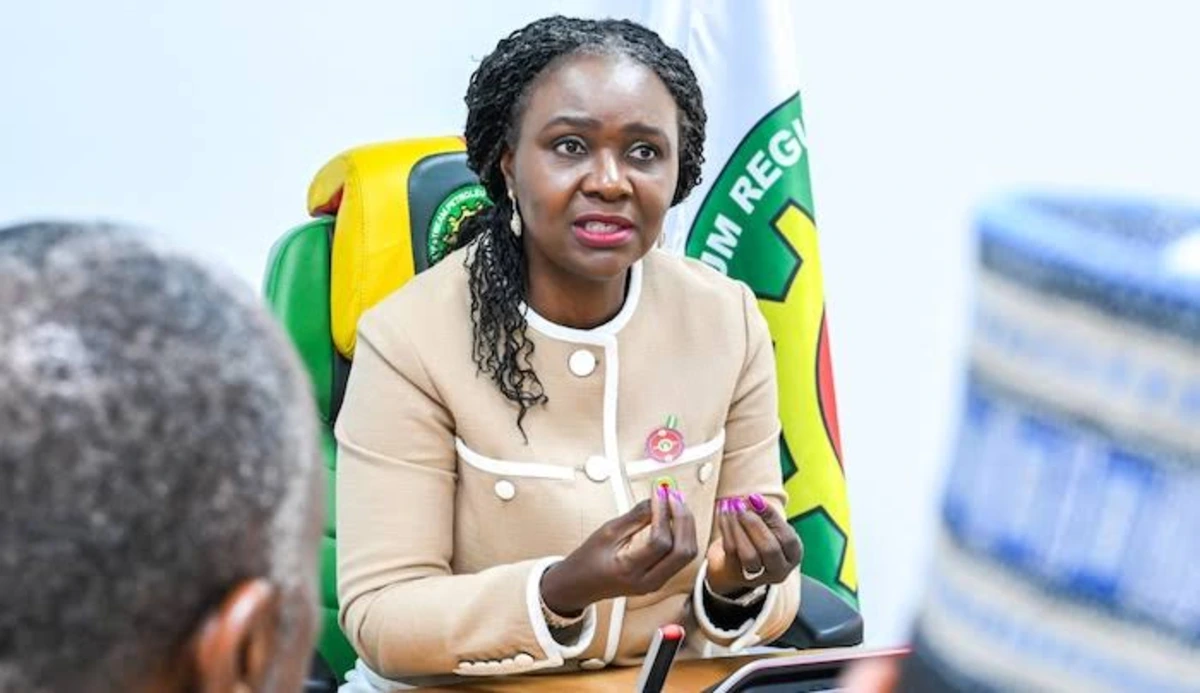
Minister of Livestock Development, Idi Maiha, stated that the move is a deliberate policy to unlock the sector’s economic potential and position Nigeria as a leading African destination for livestock investment. The allocated land includes grazing reserves being transformed into economic hubs.
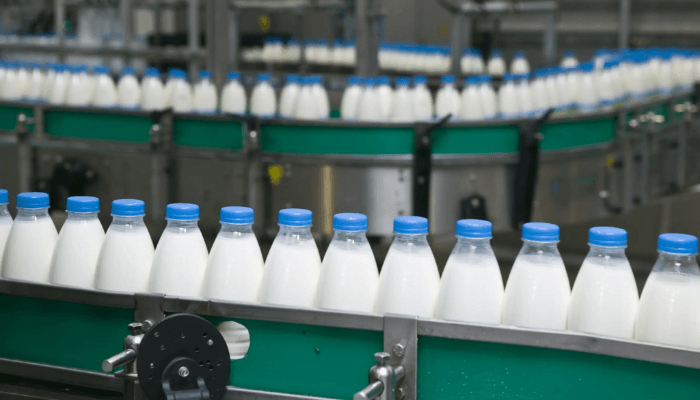
Nigeria's substantial supply gap in milk and red meat presents considerable investment opportunities. The nation has an annual demand of approximately 1.7 billion litres of milk and over 1.5 million metric tonnes of red meat. The ministry is actively seeking partners to bridge these gaps.
In parallel, the government has validated a set of harmonised national protocols to strengthen the conservation, characterisation, and monitoring of Nigeria’s Animal Genetic Resources (AnGR). This initiative, developed through a national workshop involving experts, policymakers, and stakeholders, aims to improve livestock breeding, prevent breed extinction, and support data-driven policymaking.
These protocols are crucial for establishing accurate baseline data for breeding objectives and identifying breeds suitable for specific agro-ecological zones. Continuous monitoring systems will help detect genetic erosion and support timely interventions.
The validated protocols include frameworks for inventory and monitoring, national data collection templates, conservation plans, policy briefs, and finance and investment plans. They also endorse the Nigerian Domestic Animal Diversity Information System (NigDAD-IS) and an Animal Genetic Resources dashboard, designed for improved data analytics and interoperability with global platforms.
Investors have expressed concerns regarding insecurity, but Minister Maiha assured that the government is implementing military and non-military measures to ensure a safe investment climate. The proposed investments include developing modern livestock hubs with residential estates, healthcare facilities, and schools, alongside profit-sharing arrangements with host communities.
The initiative also plans to introduce advanced technologies, strengthen local capacity through international partnerships, and promote knowledge transfer across the livestock value chain. Investors have committed to submitting a detailed proposal within 60 days, combining global expertise with strong local participation for sustainable development.