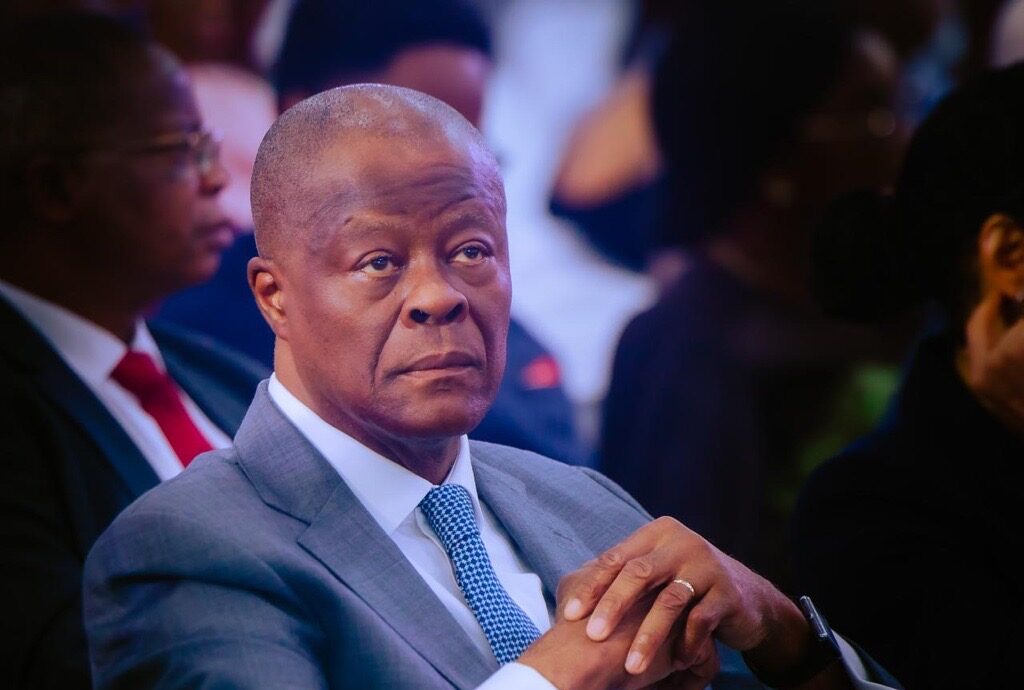
Brig.-Gen Mohamed Buba Marwa (rtd), Chairman/Chief Executive Officer of the National Drug Law Enforcement Agency (NDLEA), is calling for a national response to support the agency's recently initiated alternative development programme aimed at curbing illicit cannabis cultivation in Nigeria.
Speaking at a press conference in Abuja yesterday, Marwa emphasized the critical need for sustained support from all stakeholders to ensure the success of this initiative, which represents the first of its kind drug control effort in Africa. The programme's pilot scheme was launched last week in three cannabis-growing communities within Ondo State: Ilu Abo, Ifon, and Eleyewo.
Marwa stated that the alternative development programme goes beyond simply replacing cannabis crops with other agricultural products. He highlighted its potential to strengthen rural economies through value-chain development, thereby reducing the burden on law enforcement and the justice system.
Furthermore, the NDLEA chairman believes the programme will promote peace and social cohesion in areas previously plagued by crime related to cannabis cultivation and trade. This shift, he argues, will simultaneously support national food production, diversify agricultural practices across the country, and enhance Nigeria's standing on the global stage in drug control and development cooperation. He describes the programme as a “win-win solution” for communities, the government, and overall national security.
“This approach represents a win-win solution—for communities, for government, and for national security,” Marwa explained, underlining the multifaceted benefits of the programme. The successful launch of the pilot scheme in Ondo State demonstrates that this approach is viable when communities are actively engaged, properly supported, and empowered to participate in the process.
Marwa specifically appealed for a robust national response and consistent support from all levels of government, including traditional rulers and community leaders. He also called on development partners, donor agencies, the private sector actors involved in the agricultural value chain, civil society organizations, and the media to lend their support to the programme.
The NDLEA is urging communities across Nigeria, especially those impacted by illicit drug cultivation, to embrace this model and collaborate with the agency to create sustainable economic alternatives. The alternative development programme represents a shift towards a more comprehensive and community-driven approach to tackling the issue of cannabis cultivation, moving beyond law enforcement to address the root causes of the problem.
The initial success of the pilot programme in Ondo State offers a promising outlook for the future, but sustained commitment and collaboration from all stakeholders are vital to ensure the programme’s long-term effectiveness and expansion to other regions affected by illicit drug cultivation. The NDLEA believes this initiative can significantly contribute to the upliftment of rural communities and the strengthening of Nigeria's national security apparatus.