The Federal Ministry of Livestock Development has trained 100 small-scale dairy farmers in Ibadan, Oyo State, as part of efforts to strengthen Nigeria’s dairy sector and improve local milk production.
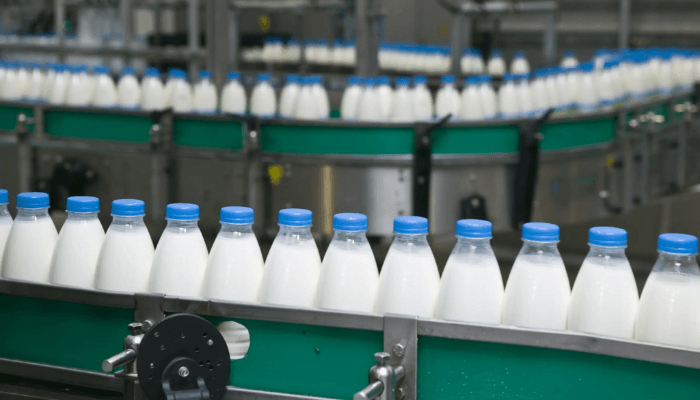
The ministry disclosed this in a statement signed by the Deputy Director of Information and Public Relations, Henrietta Okokon, on Monday. According to the statement, the training focused on equipping participants with practical knowledge on dairy farming best practices, improved husbandry techniques, and sustainable approaches to milk production, collection, and processing.
Speaking through the statement, the Senior Special Assistant to the President on Livestock Development, Idris Ajimobi, said the initiative was critical to improving the capacity of dairy farmers and boosting national dairy production.
“As we continue to push for self-sufficiency in livestock production, initiatives like this remind us that real transformation begins with empowering farmers at the grassroots. This training is essential to improving productivity, ensuring quality, and building a sustainable dairy value chain that benefits rural communities and the nation at large,” he said.
Ajimobi reiterated the Federal Government’s commitment to unlocking the economic potential of the livestock sector through targeted policies, strategic partnerships, and impactful programmes. He urged participants to apply the knowledge gained and become agents of change within their communities.
The Oyo State Coordinator of the Federal Ministry of Livestock Development, Florence Kalulu, described smallholder dairy farmers as critical to Nigeria’s agricultural system. “Smallholder dairy farmers are the backbone of local milk production. Their resilience and dedication continue to sustain communities across this state and beyond,” she said.
Kalulu identified low productivity, poor animal health management, inadequate hygiene practices, and limited access to modern techniques as major challenges affecting the dairy sector. She said addressing the challenges would improve the quality, safety, and profitability of dairy production.
According to her, the initiative aligns with the National Livestock Growth Acceleration Strategy, which aims to boost productivity, improve livelihoods, reduce import dependence, and strengthen food and nutrition security. “This training is not just about learning, but about transformation. We expect participants to become ambassadors of good practices, sharing knowledge and inspiring others within their communities,” she added.
The training programme covered sustainable feed supply through improved pasture development and feed conservation, breed improvement, feeding practices for milking cows, herd health management, and milk handling opportunities. In her remarks, the President of the Women in Dairy Production Association, Racheal Eyitayo-Ariori, commended the Federal Government for prioritising the dairy sector and called for greater inclusion of women in dairy production.
“When small-scale dairy farmers are supported, the impact on the economy is significant, with increased milk production and broader economic benefits,” she said. One of the participants, Moyosore Olatunde, called for increased youth participation in dairy farming.
“We need more young people to come into dairy farming with innovative ideas, and this can happen faster when the government provides the necessary support,” he said. The ministry added that the training featured classroom instruction, interactive discussions, pictorial demonstrations, and hands-on practical sessions.
It also disclosed that participants received essential inputs, including heifers, feed, and salt licks, to support improved dairy operations and productivity. The ministry stated that it would continue to scale up similar interventions nationwide as part of efforts to modernise Nigeria’s livestock sector and ensure sustainable growth in dairy production.