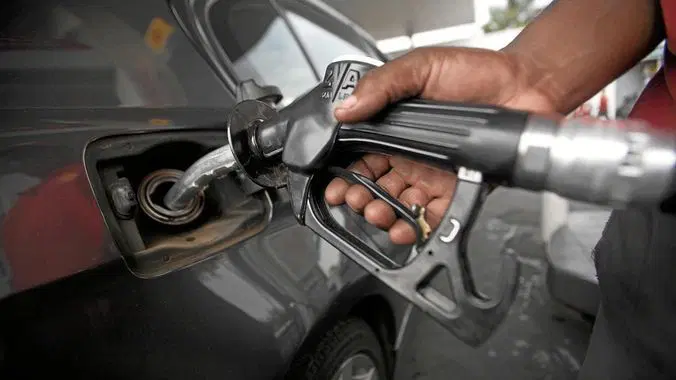
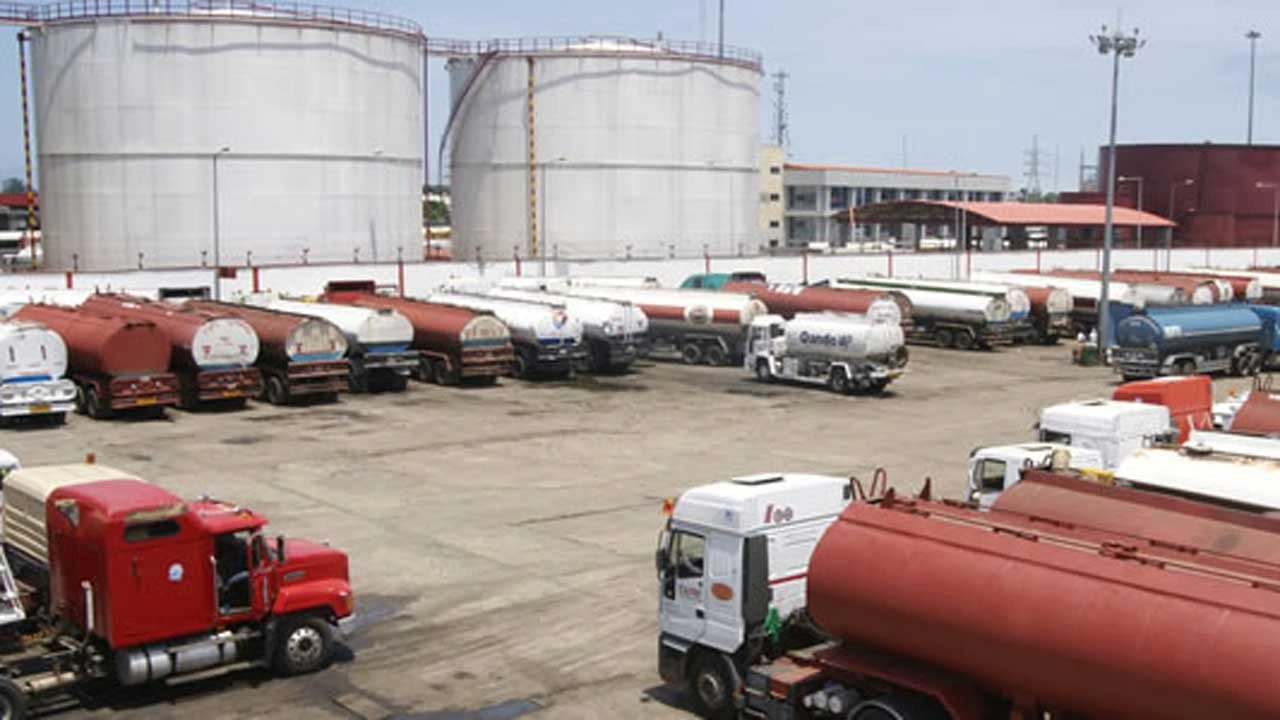
Nigeria's reliance on imported petrol has come to an end as the Dangote Refinery and Petrochemical now meets local demand, according to oil marketers. The development signals a major turning point for the nation's energy sector and economy.
Industry sources confirm that all petrol currently distributed in Nigeria is being supplied by the Dangote Refinery. This development follows the refinery's commencement of operations and gradual ramp-up of production capacity.
The end of petrol imports is expected to have several positive impacts on the Nigerian economy. These include a reduction in foreign exchange demand, stabilization of fuel prices, and increased energy security. Reduced reliance on imports will free up foreign exchange reserves for other critical sectors of the economy.
“We are getting our petrol supplies from Dangote Refinery and Petrochemical,” a source within the Oil Marketers Association of Nigeria (OMAN) stated. “As it stands, nobody is importing the product for now.”
The refinery's capacity to meet local demand also offers a buffer against global price fluctuations and supply disruptions. This is particularly important given the volatility often associated with the international oil market. The development follows sustained efforts by the Nigerian government to promote local refining capacity and reduce dependence on imported petroleum products.
Market watchers believe that the refinery's successful operation will encourage further investment in Nigeria's downstream petroleum sector. This could lead to the development of more refineries and petrochemical plants, creating jobs and stimulating economic growth.
Looking ahead, the focus will be on ensuring the refinery's continued operational efficiency and expanding its capacity to meet future demand. The development promises a more stable and secure energy future for Nigeria.