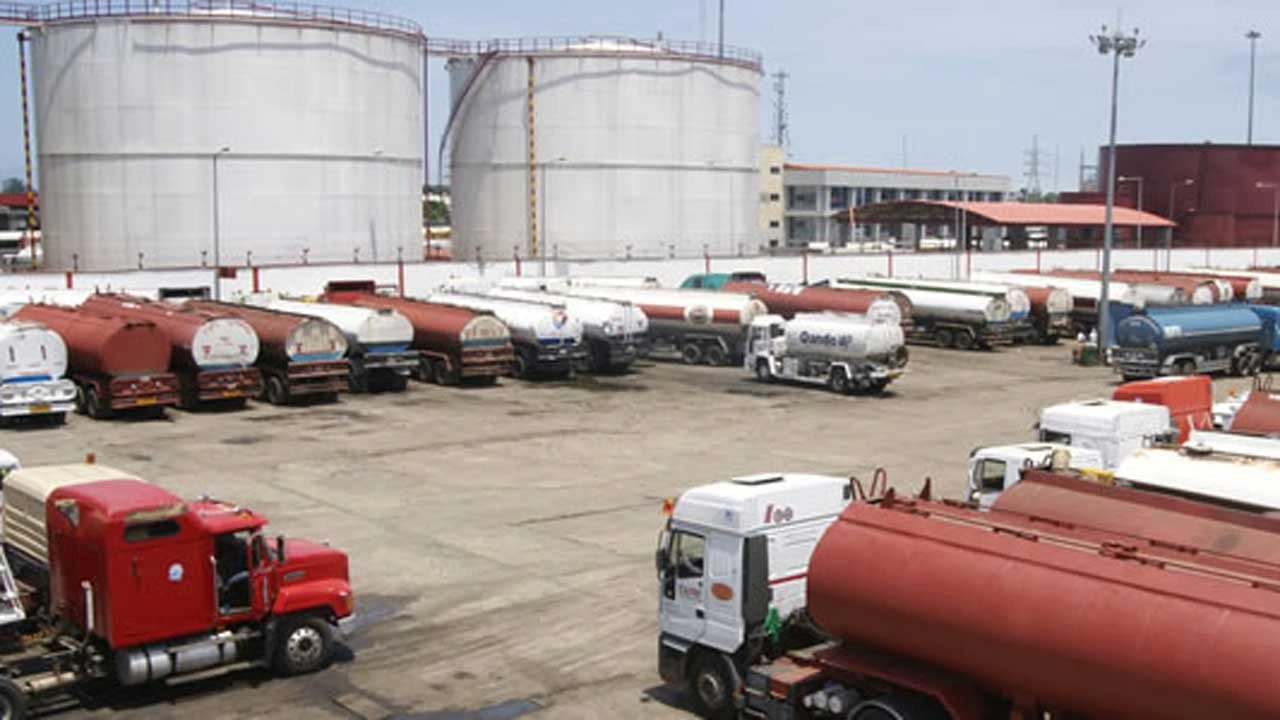
The Central Bank of Nigeria (CBN) anticipates that the price of Premium Motor Spirit (PMS), commonly known as petrol, could reach approximately N950 per litre by 2026. This projection is outlined in the bank's 2026 Macroeconomic Outlook, factoring in key economic variables such as crude oil prices and exchange rates.
What you should know
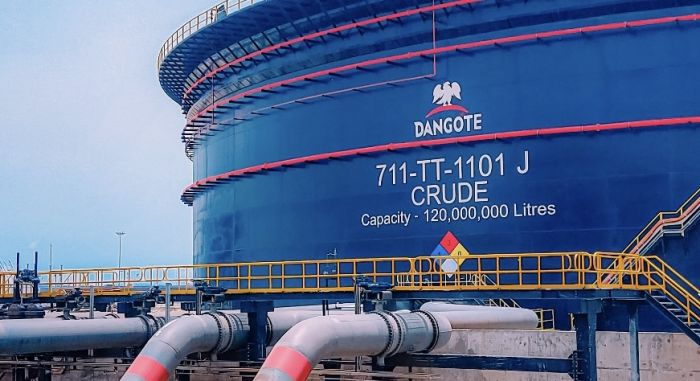
The CBN's forecast provides a glimpse into potential future fuel costs, influencing transportation expenses and overall inflation. The projection highlights the sensitivity of local fuel prices to global oil market dynamics and exchange rate fluctuations. Currently, Dangote Petroleum Refinery's gantry price is N699 per litre, while MRS Oil, an authorized distributor, retails at N739 per litre. This significant jump to N950 per litre represents a considerable increase for consumers.
The CBN's projections are based on several assumptions. Firstly, it assumes an average crude oil price of $55 per barrel in 2026. Secondly, the bank forecasts an average exchange rate of N1,451.63/$ in Q4 2025, appreciating to N1,400/$ in 2026. This appreciation is expected due to improved foreign exchange market efficiency, stronger capital inflows, and a current account surplus. Finally, the forecast assumes a consistent domestic crude oil production of 1.5 million barrels per day throughout the forecast period.
The assumptions regarding exchange rates and domestic production are crucial. If the naira depreciates beyond the projected N1,400/$, the petrol price could exceed N950 per litre. Similarly, any disruption to domestic crude oil production, impacting supply, could further drive up prices.
According to the CBN, increased private-sector investment, particularly in domestic refining, will play a crucial role in supporting growth. This expectation implies that increased local refining capacity could mitigate the impact of global oil price fluctuations on domestic petrol prices. The Dangote refinery, already operational, could be a key factor in this dynamic. However, its pricing strategies and operational efficiency will be vital.
Market implications
The CBN's forecast carries significant implications for the Nigerian economy. A higher petrol price could lead to increased transportation costs, potentially fueling inflation across various sectors. This, in turn, could impact consumer spending and business operations. Businesses reliant on transportation and energy may face increased operating expenses, which could be passed on to consumers.
Investors should monitor the performance of the naira against the dollar, global crude oil prices, and the output of domestic refineries. These factors will significantly influence the actual petrol price in 2026. Government policies regarding fuel subsidies and deregulation will also play a crucial role. Any changes to these policies could alter the projected price trajectory. Market watchers believe that a fully deregulated market might see even higher prices, depending on global market conditions.
In a related development, ongoing efforts to improve the efficiency of the foreign exchange market and attract foreign investment will be critical to maintaining a stable exchange rate, which directly impacts fuel prices. Investors should therefore pay close attention to the government's economic policies and their impact on the foreign exchange market.