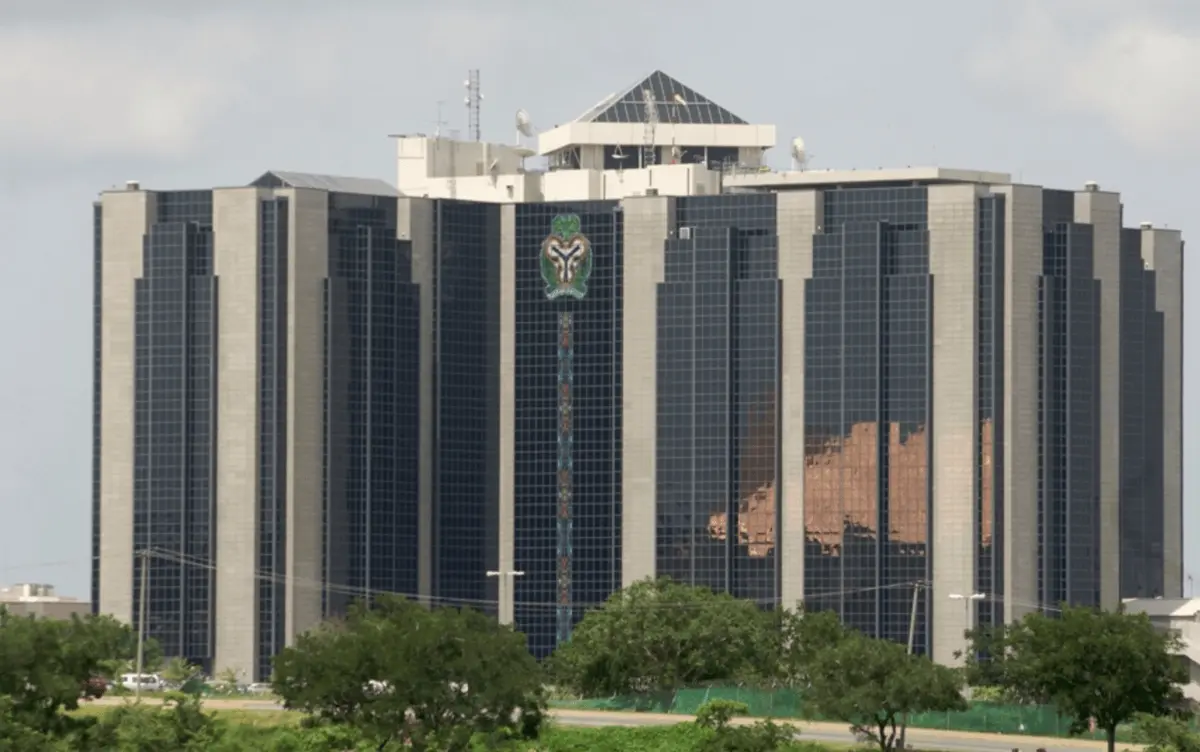
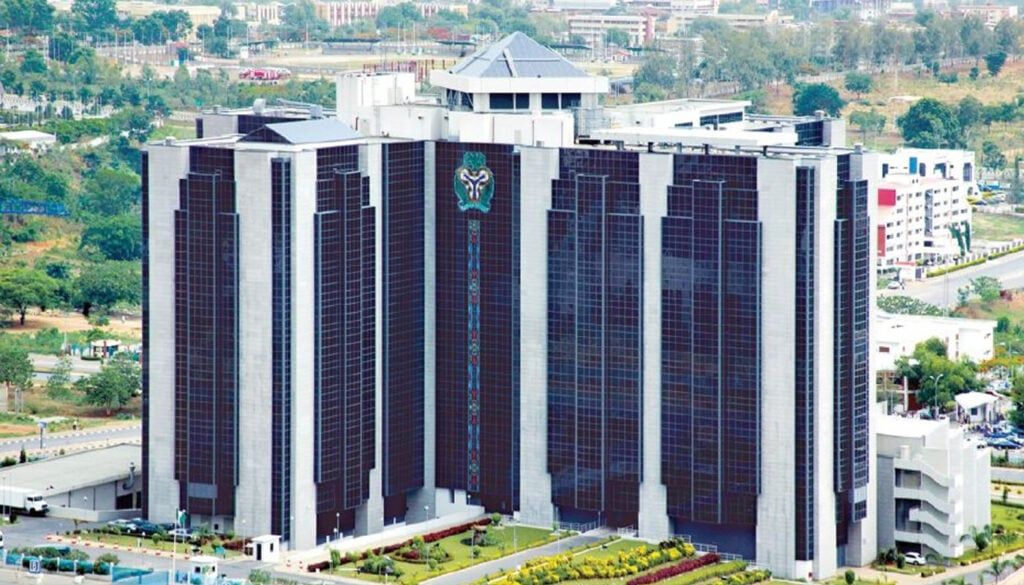
The Central Bank of Nigeria (CBN) has directed banks to immediately restrict access to certain banking services for large-ticket obligors with non-performing loans. This move is intended to strengthen prudential compliance and safeguard the stability of the financial system.
In a circular dated March 12, 2026, signed by Olubukola A. Akinwunmi, director of banking supervision, the apex bank mandated that financial institutions deny additional credit facilities to large borrowers whose loans are classified as non-performing in the Credit Risk Management System (CRMS) or by any licensed private credit bureau.
Under the new directive, affected obligors will not only be barred from new loans but will also be denied other forms of direct credit and contingent banking facilities. These include bankers’ confirmations, letters of credit, performance bonds, and advance payment guarantees.
The CBN stated that the restriction is designed to prevent borrowers with outstanding default exposures from accumulating further liabilities across the banking system, a practice that regulators believe heightens systemic risk and weakens credit discipline.
Banks were also instructed to strengthen collateral coverage for existing exposures to such obligors by obtaining additional realisable collateral where necessary.
For the purpose of this directive, large-ticket obligors are defined as borrowers whose exposures fall within the threshold set under Clause 3.2(d) of the Prudential Guidelines for Deposit Money Banks in Nigeria, 2010. This includes customers with combined exposures across banks that exceed the Single Obligor Limit (SOL) as reflected in the CRMS or in reports from licensed private credit bureaus.
The CBN noted that such exposures could materially affect a bank’s Capital Adequacy Ratio (CAR) or otherwise pose systemic risks to the financial system if left unchecked.
This latest directive reinforces an earlier circular issued on June 30, 2014, titled “Prohibition of Loan Defaulters from Further Access to Credit Facilities in the Banking System,” which sought to prevent borrowers with delinquent loans from obtaining fresh credit from other banks.
According to the regulator, the renewed measure is intended to ensure greater consistency and effectiveness in curbing credit abuse among large-ticket borrowers.
The Central Bank stated it will closely monitor compliance with the directive across the banking industry, warning that any institution found in breach will face regulatory sanctions in line with the provisions of the Banks and Other Financial Institutions Act (BOFIA) 2020.