Key Highlights
- 32 banks have met the revised minimum capital requirements set by the CBN.
- Headline inflation dropped significantly from 34.8% in December 2024 to 15.06% in February 2026.
- Monthly diaspora remittances rose from approximately $200 million to $600 million after recent reforms.
- The CBN cleared over $7 billion in verified FX backlogs.
- The parallel market premium narrowed to below 2%.
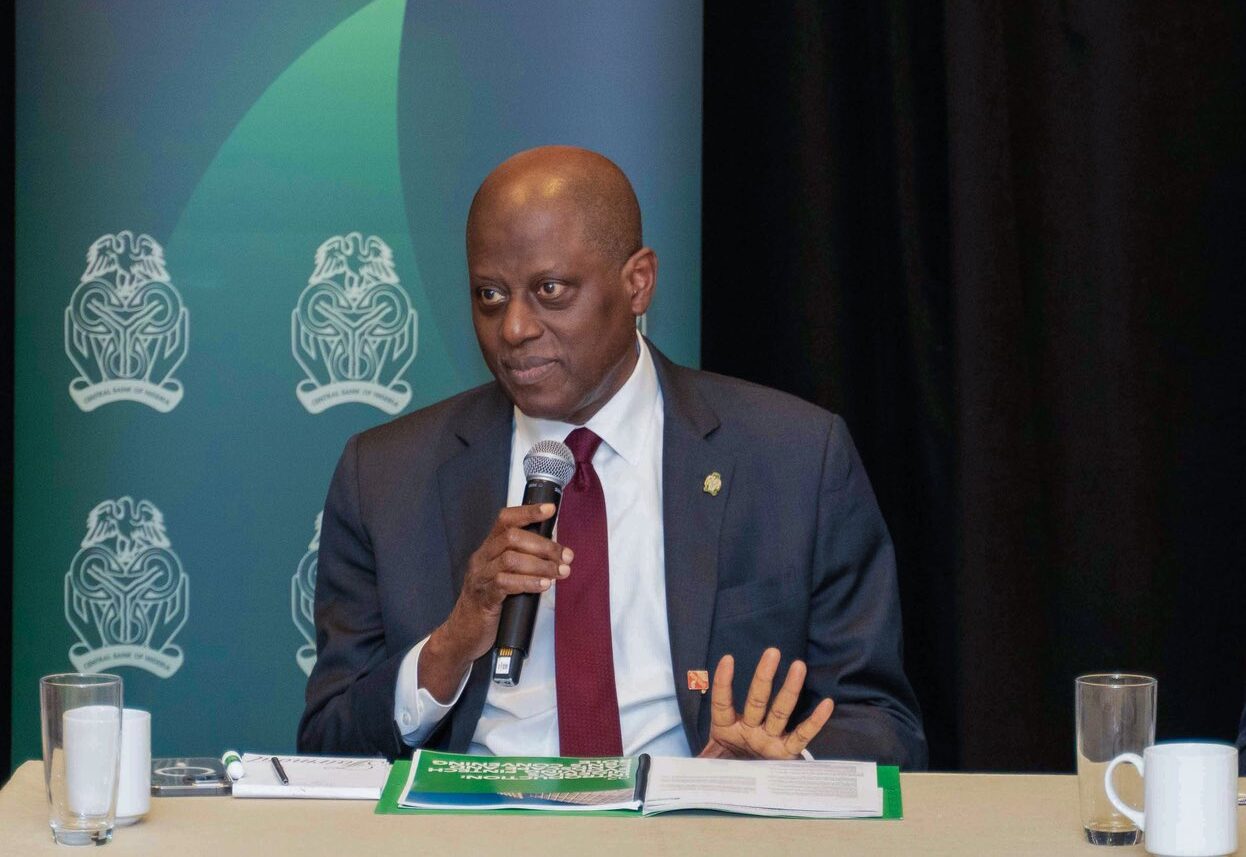
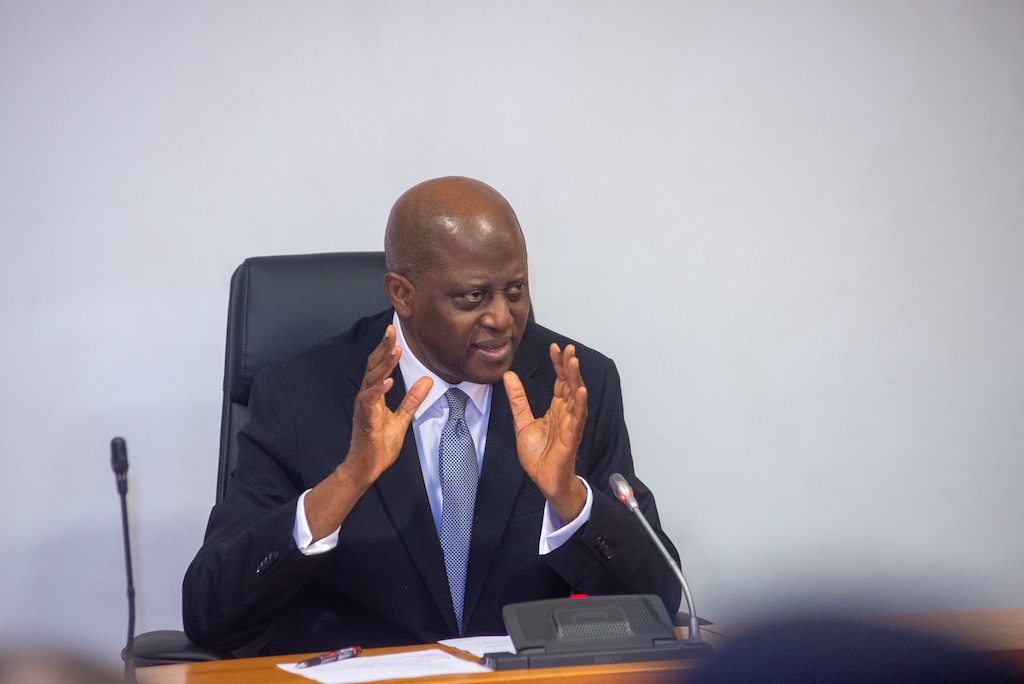
Central Bank of Nigeria (CBN) Governor Olayemi Cardoso disclosed that 32 banks have successfully met the revised minimum capital requirements under the ongoing recapitalisation programme. This achievement marks a significant milestone in strengthening Nigeria's financial system.
Speaking at the Monetary Policy Forum in Abuja, Cardoso stated that this progress reflects commendable industry compliance. The recapitalisation is crucial for positioning the banking sector to better support long-term investment and drive Nigeria's ambition of becoming a $1 trillion economy.
Cardoso emphasized that the programme is central to building a more resilient financial system. He added that the recapitalisation exercise is part of broader reforms aimed at enhancing governance and risk management across the banking sector.
Key measures include the introduction of a risk-based capital framework, a phased exit from regulatory forbearance, stricter enforcement of insider lending rules, and restrictions on credit access for major non-performing obligors. Supervisory capacity has also been upgraded through digital tools and enhanced surveillance.
Inflation Drops Sharply After Aggressive Policy Tightening
The CBN Governor also reported a significant reversal in inflation trends, attributing it to aggressive monetary tightening. Headline inflation fell sharply from 34.8% in December 2024 to 15.06% in February 2026.
Cardoso explained that the Monetary Policy Committee raised rates by 875 basis points in 2024 to curb inflation. Subsequently, the policy rate was cut to 26.5% in February 2026 after earlier reductions, indicating a shift towards gradual easing.
Internal simulations by the CBN suggest that inflation would have worsened without these decisive measures. Cardoso stressed the importance of disciplined policy execution and coordination with fiscal authorities.
FX Reforms Restore Confidence, Diaspora Inflows Surge
In the foreign exchange market, Cardoso announced that the CBN has cleared over $7 billion in verified FX backlogs. A rule-based willing-buyer willing-seller system has been introduced to enhance market transparency.
Tighter reporting standards, improved market surveillance, and reforms in interbank trading have helped stabilize the market. This has resulted in the narrowing of the parallel market premium to below 2%.
Furthermore, diaspora remittances have become a stable source of foreign exchange for Nigeria. Monthly inflows have risen from approximately $200 million to $600 million following the recent reforms. The CBN is targeting $1 billion in monthly remittances by the end of 2026, viewing this growth as a structural shift.